
Huang Binhong’s ancient seals at Zhejiang Expo
Huang Binhong’s seal collection on view—stone impressions behind a modern ink master’s eye.
Before Huang Binhong’s landscapes became canonical modern ink, he collected and studied ancient seals—tiny stones that trained his sense of structure and archaic force.
An exhibition of that seal collection lets viewers see the “shadows of antiquities” that fed his brush, not only his finished paintings.
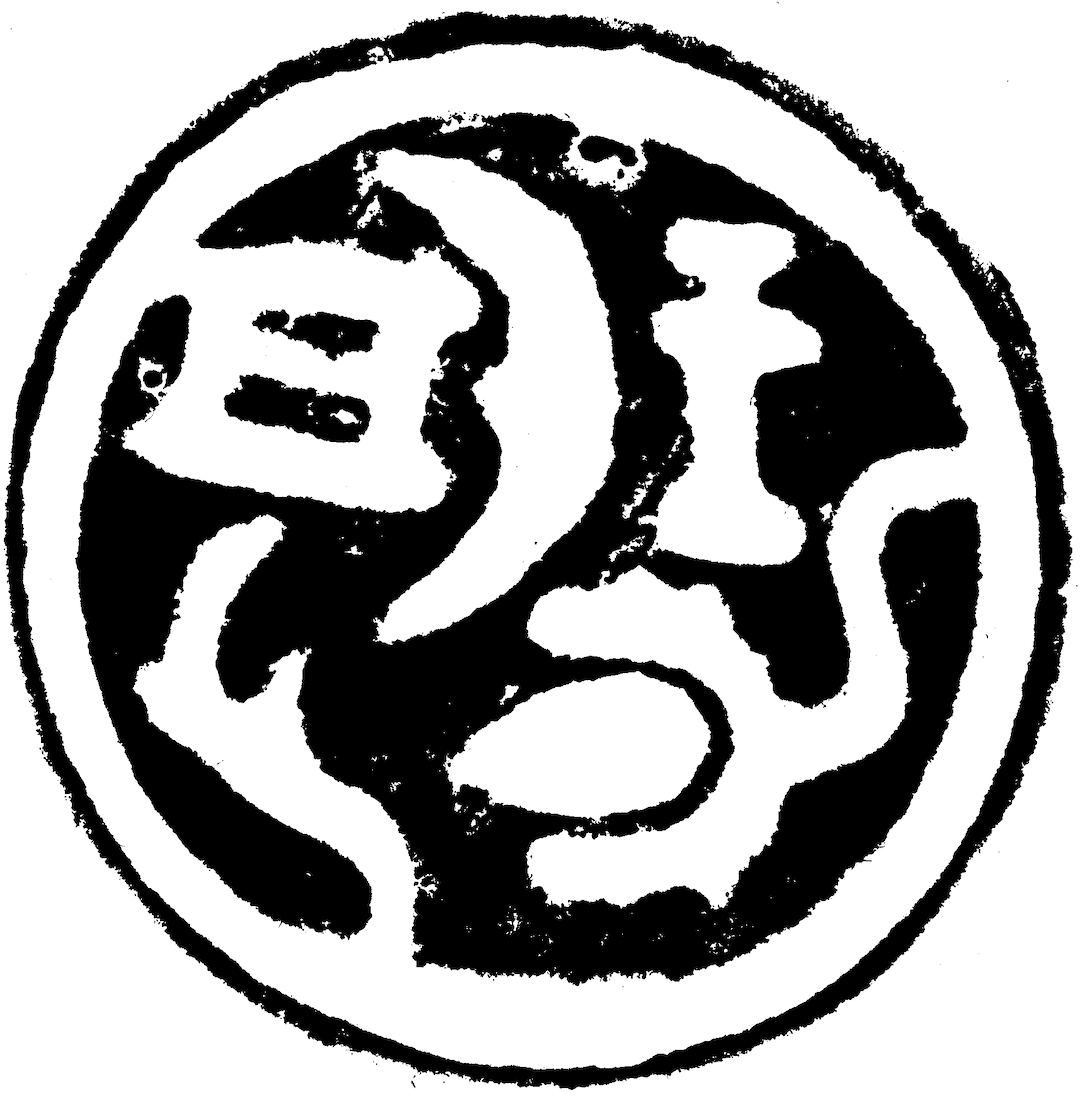
Huang Binhong Tibetan Bashu Ancient Seal Printing
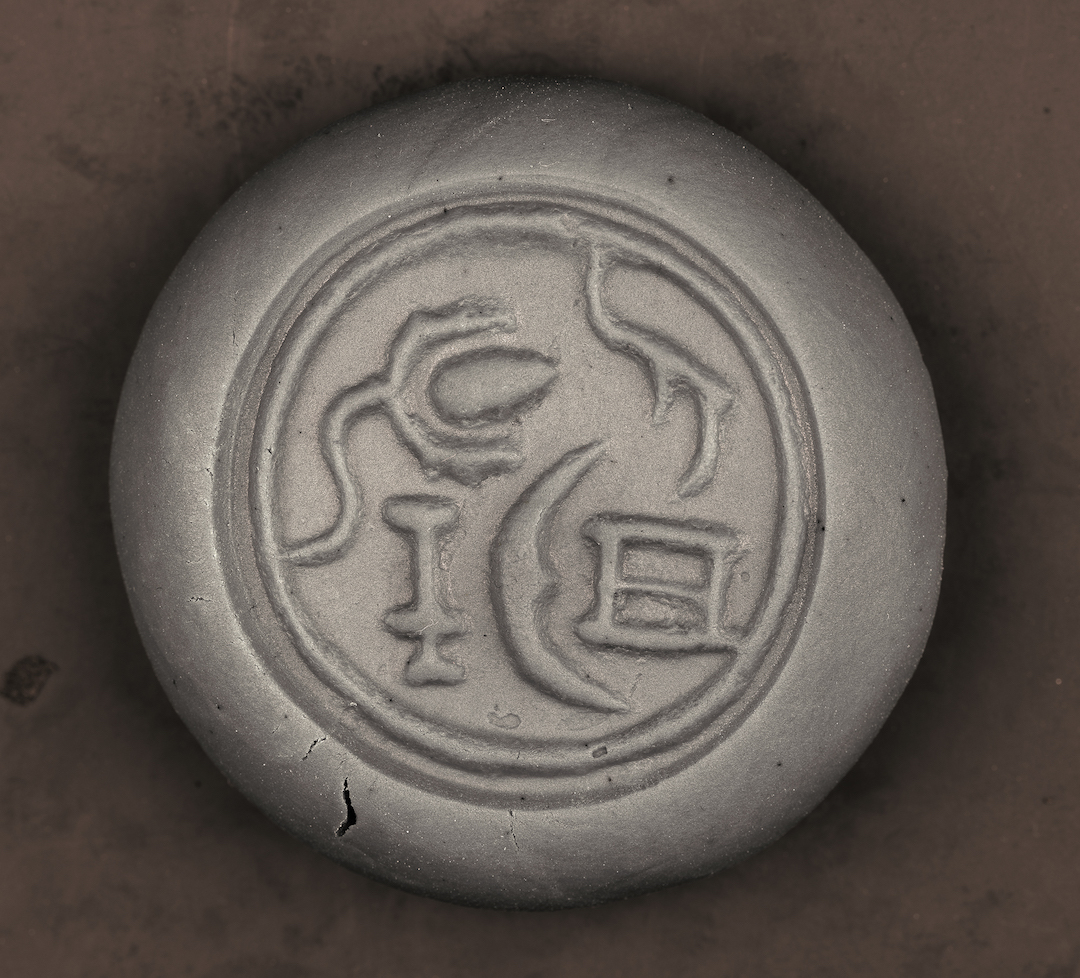
Huang Binhong Tibetan Bashu Ancient Seal Clay
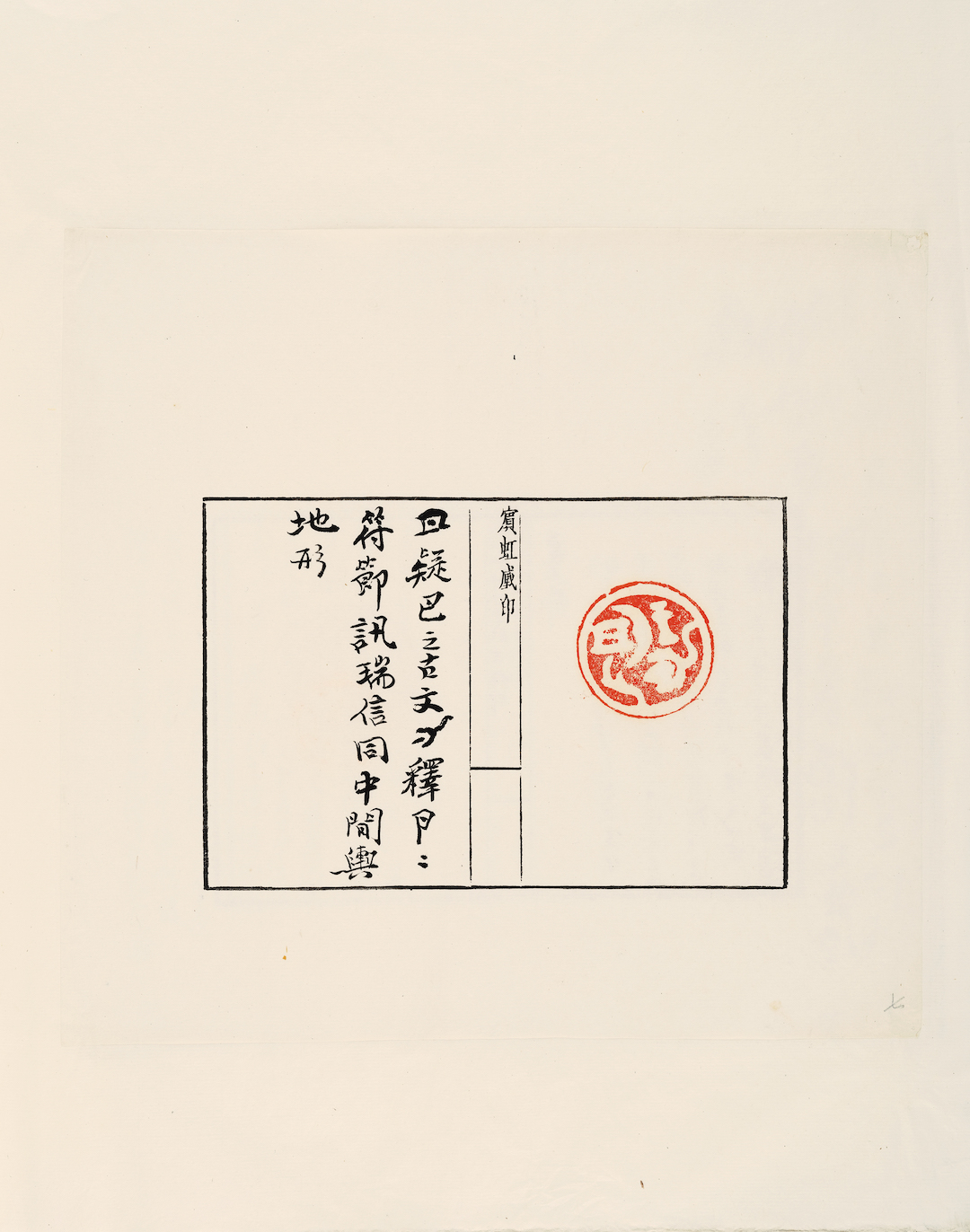
Huang Binhong Tibetan Bashu Ancient Seal Interpretation
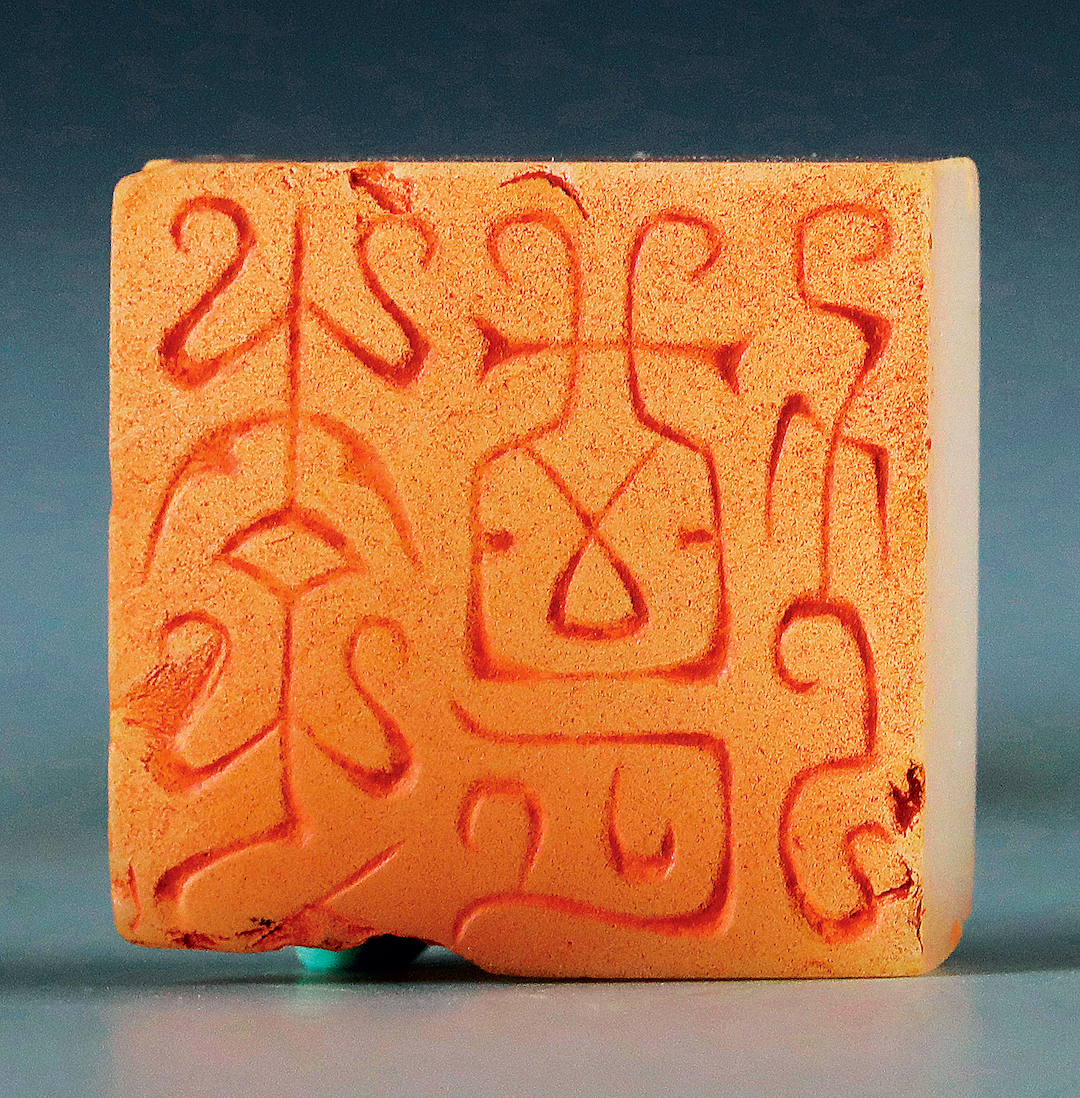
Huang Binhong's collection of "Li Kan" printed in white
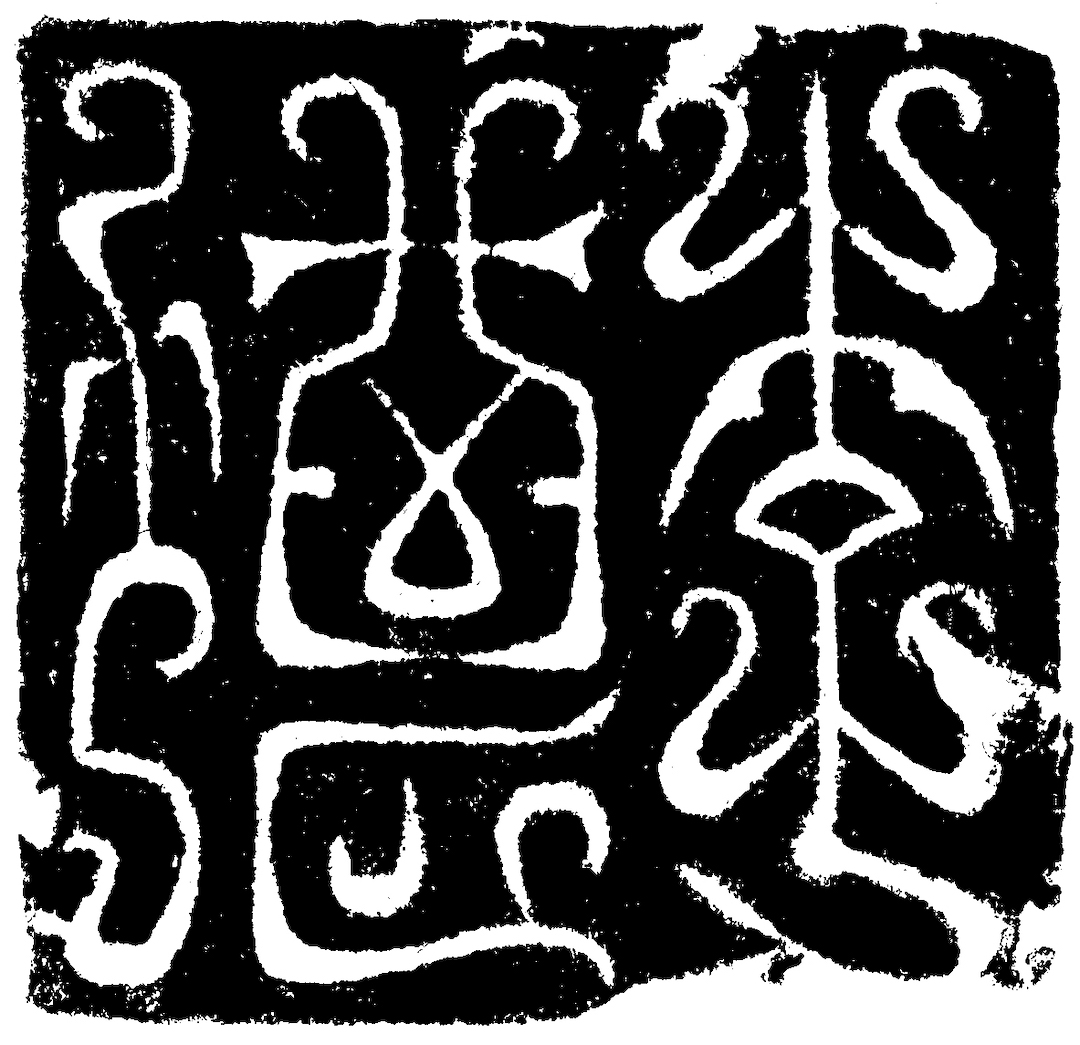
Huang Binhong's collection of "Li Kan" white print
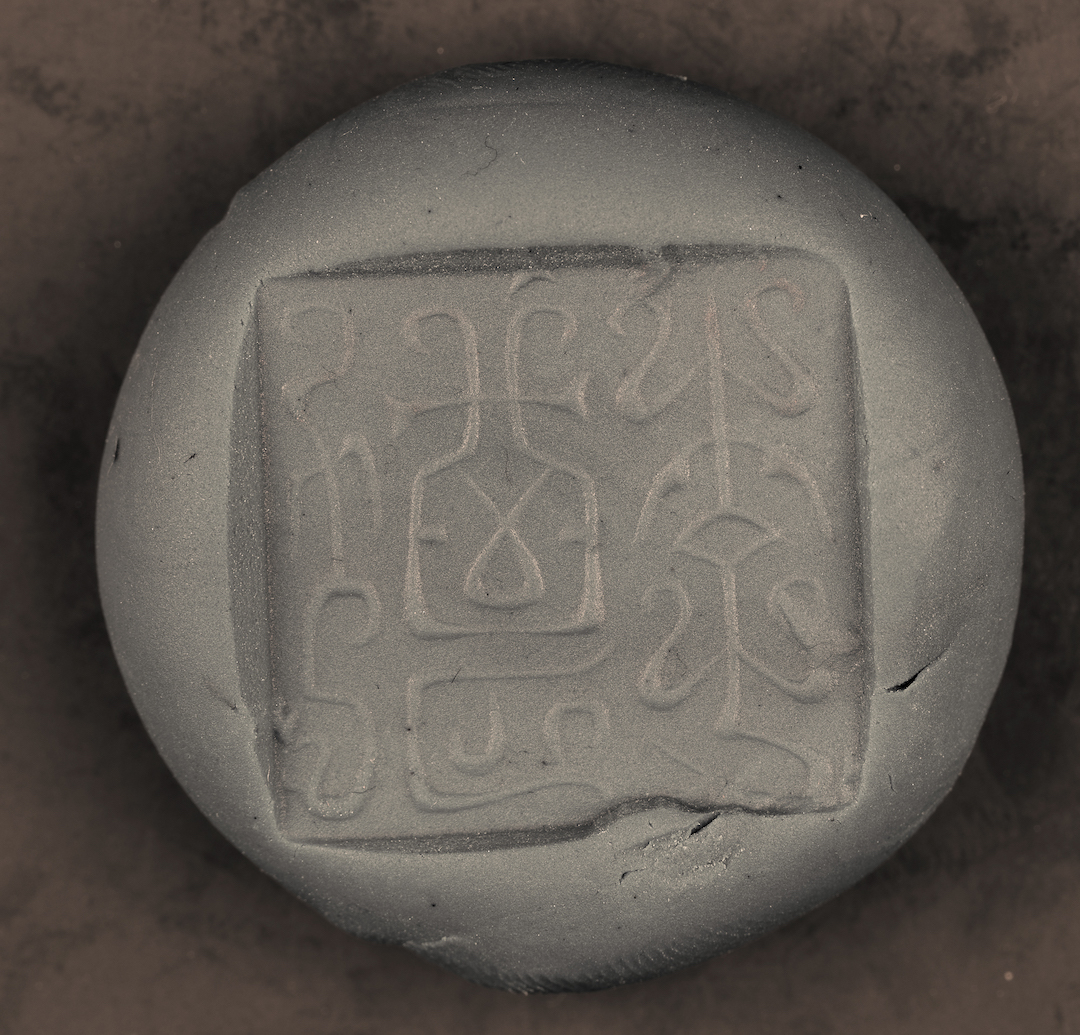
Huang Binhong's collection of "Li Kan" seal clay in white
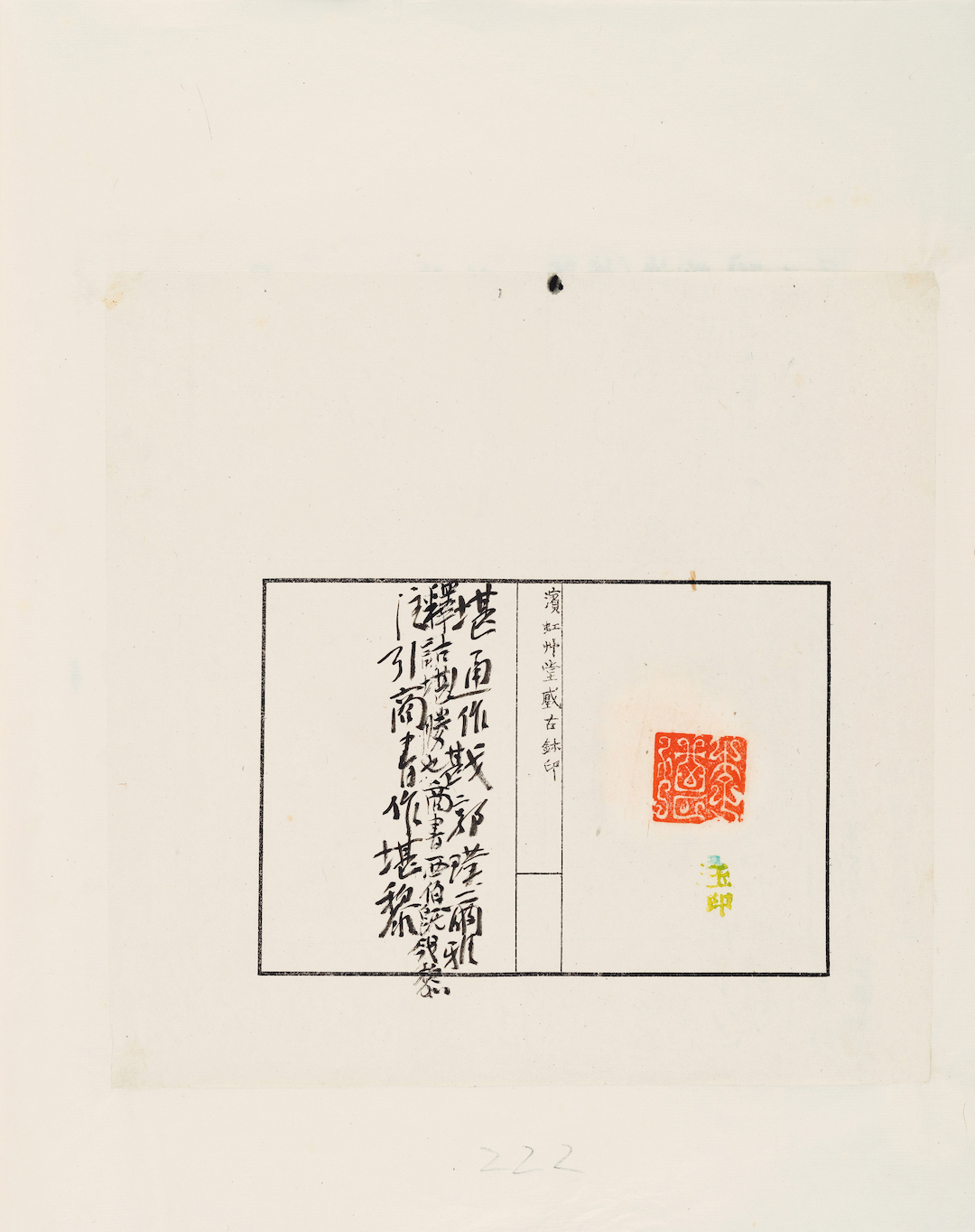
Huang Binhong's Collection of "Li Kan" in White Seal and Interpretation
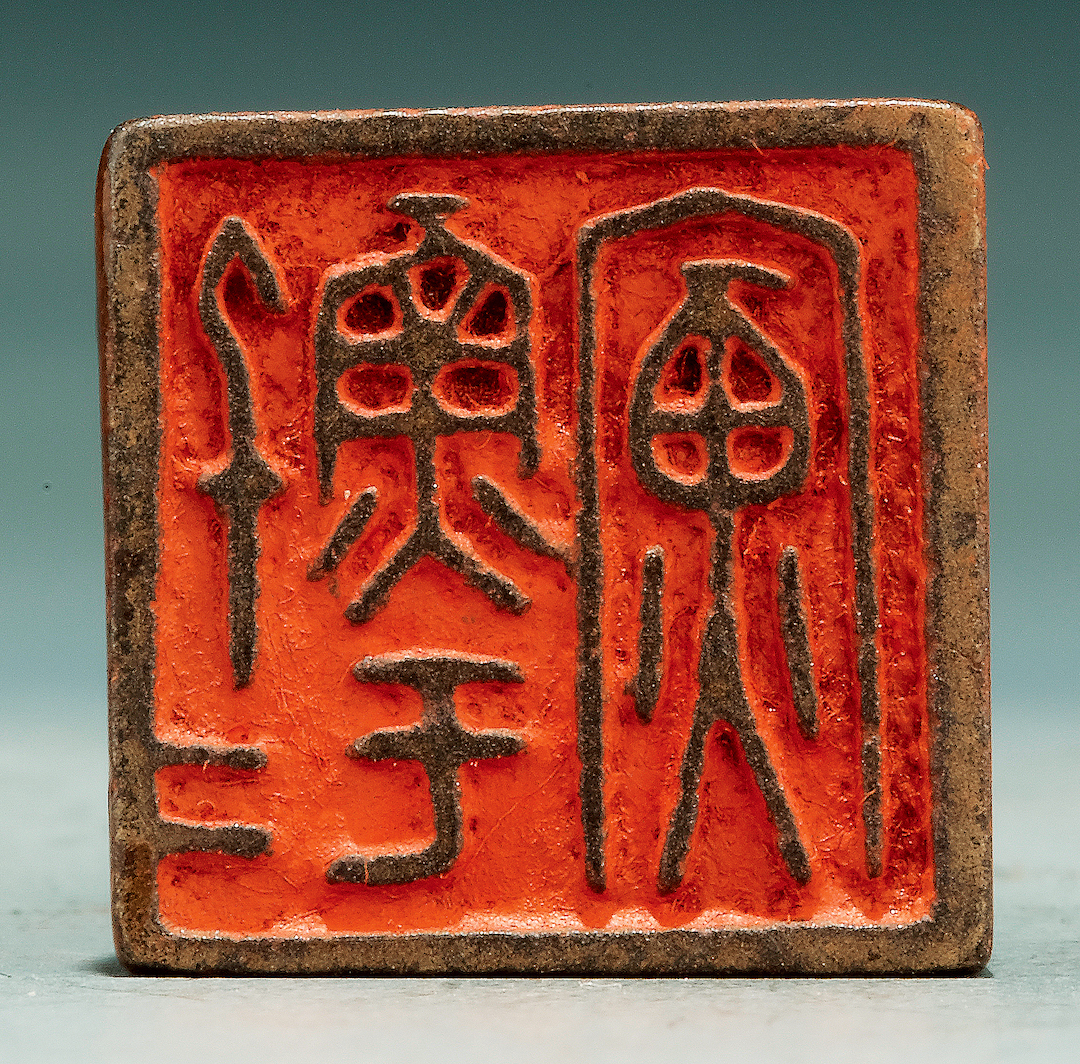
Huang Binhong Tibetan Seal
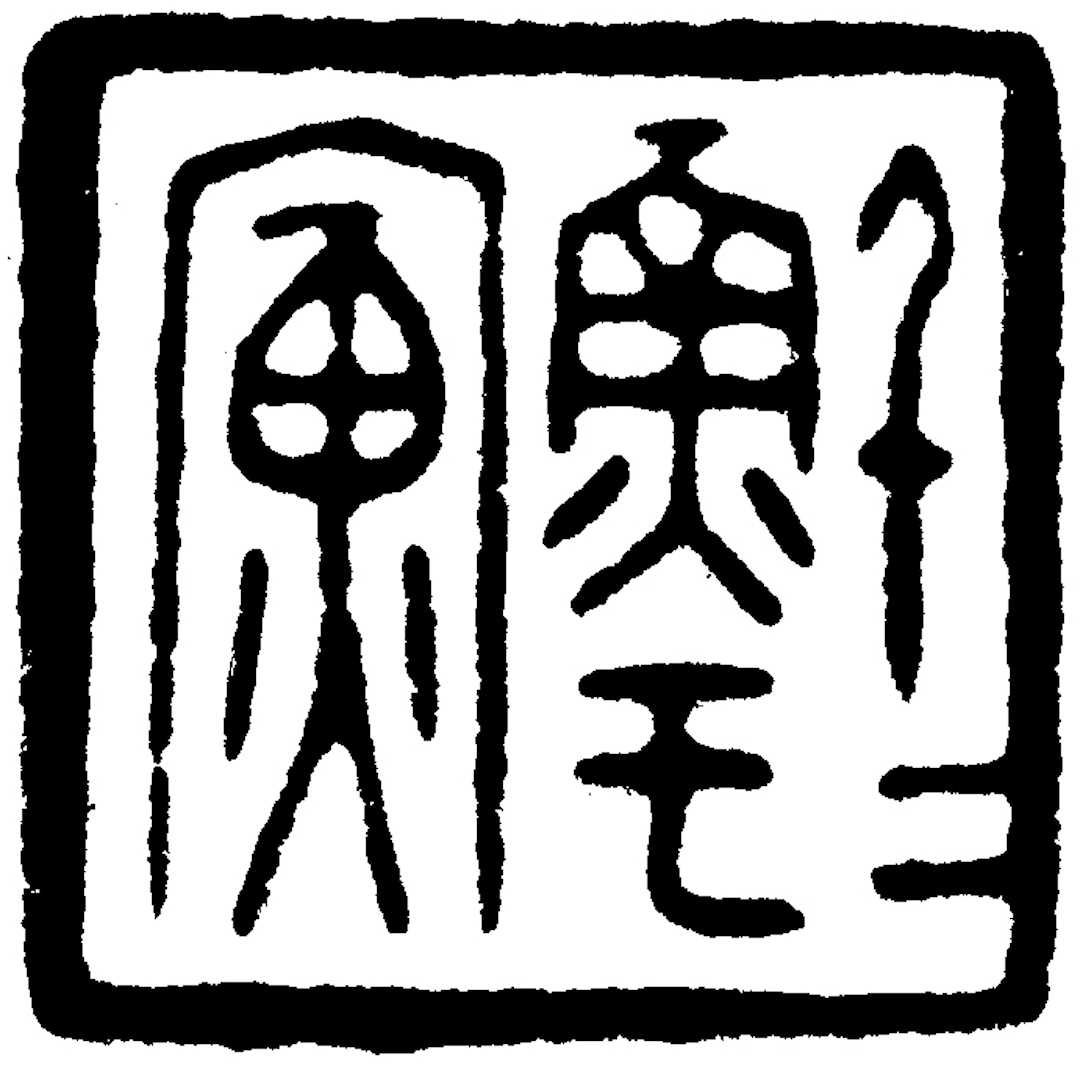
Huang Binhong's Tibetan seal
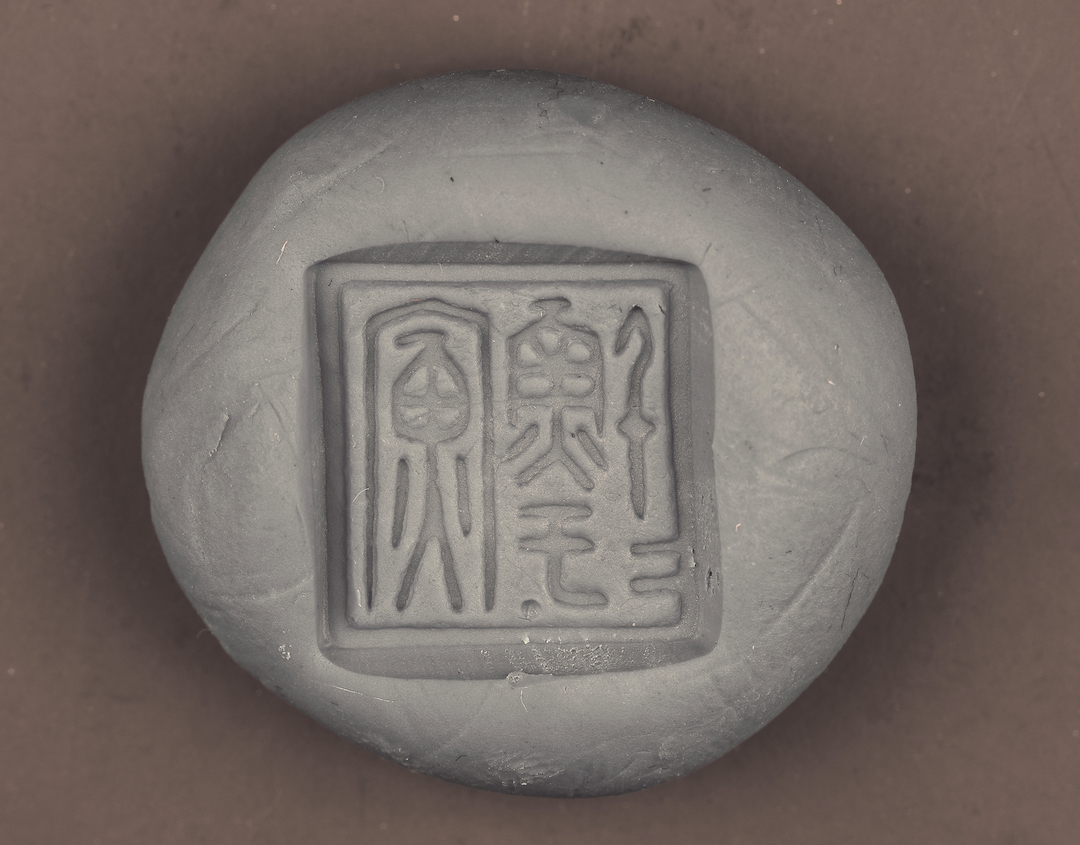
Huang Binhong's Sealing Clay
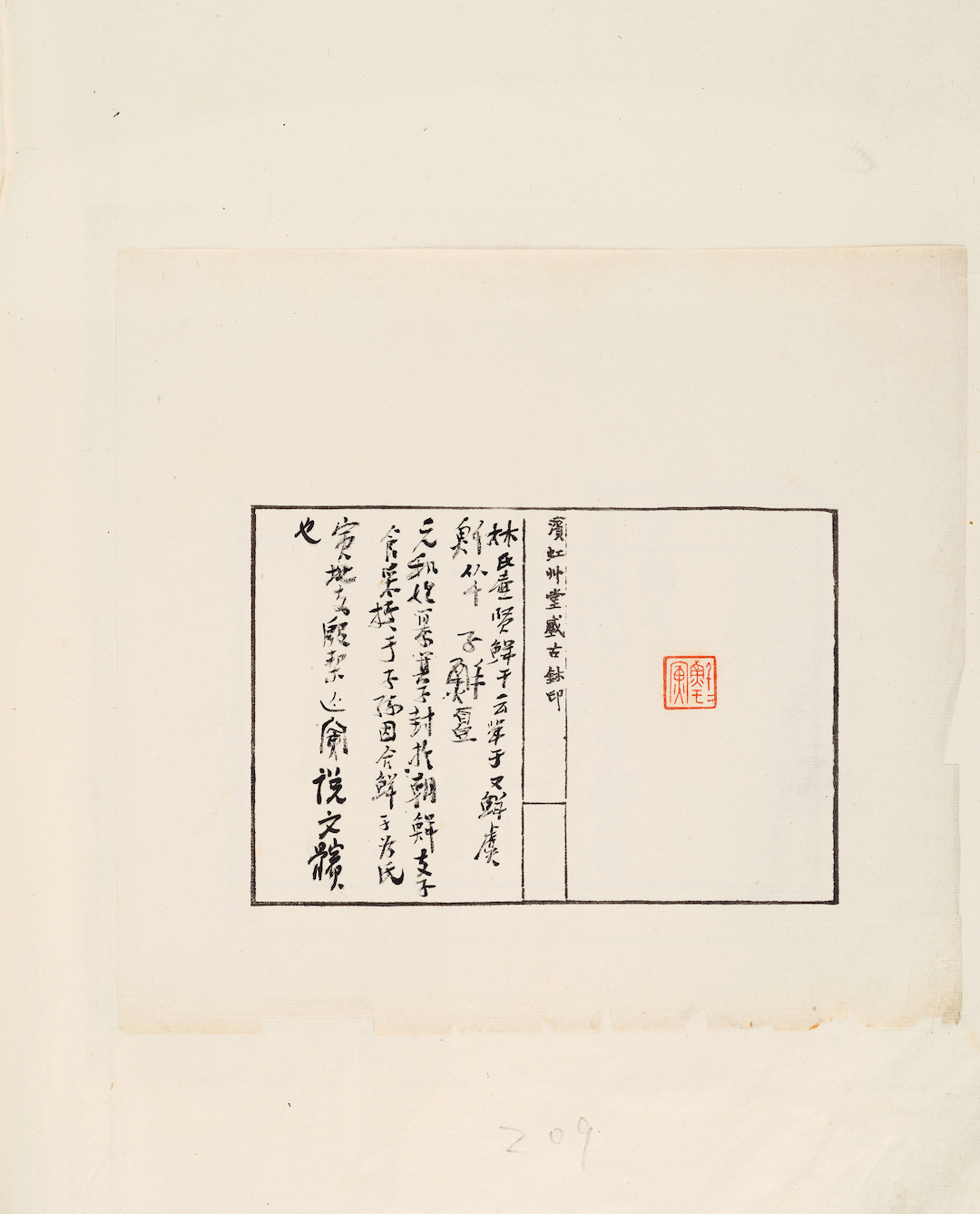
Huang Binhong Tibetan Seal Interpretation
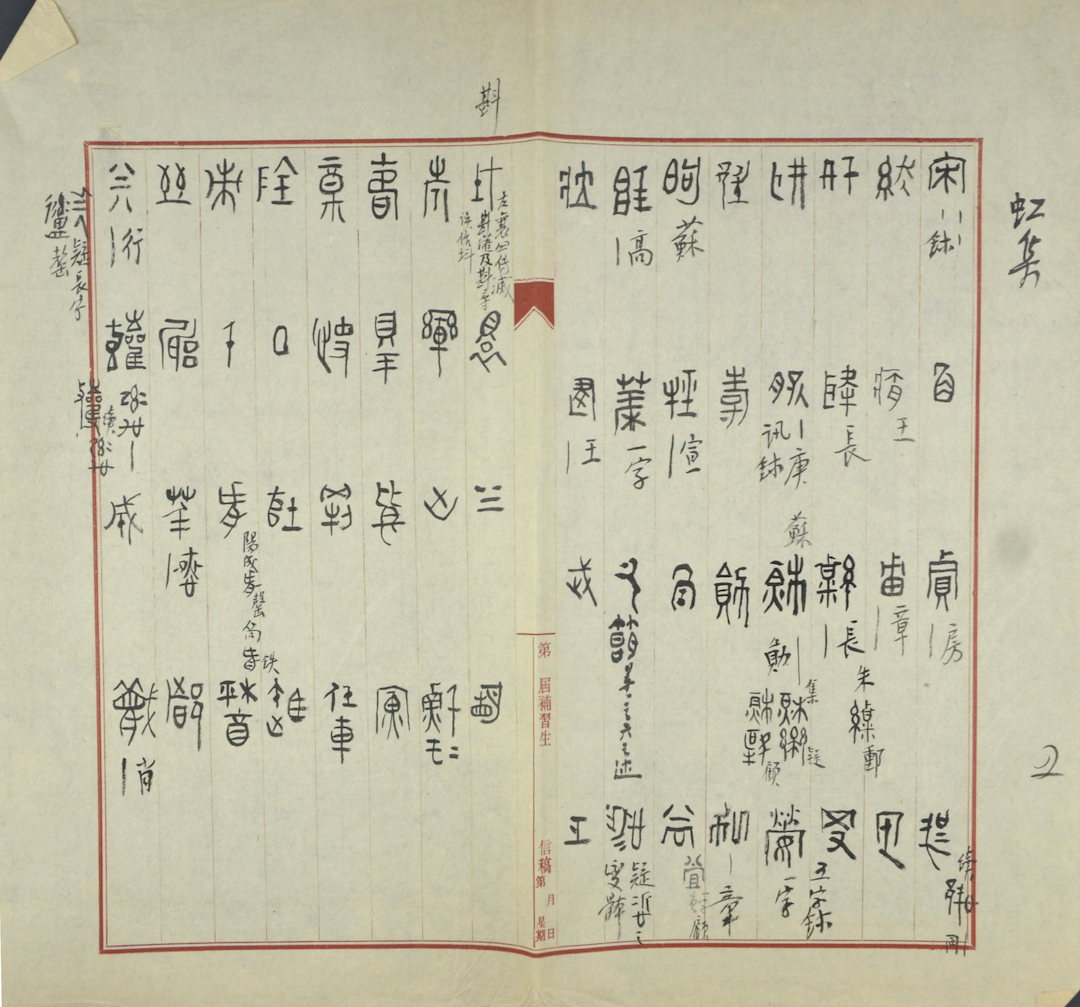
Huang Binhong's Manuscript of Ancient Chinese Characters Sealed with Seals
Inquisitiveness · Concentrate on academicsIndian Studies
Huang Binhong's research on seal studies is very extensive. Some of them are sorted and sorted out the history of seals in the order of the age and the material of the seals; some are based on the transformation of words (pictures) into contexts, and the evolution of ancient seals is explained; some are based on the seal people. There are also anecdotes about the spread of ancient seals, and it also involves counterfeit seals, the development history of seals, the changes of seals, the seal system, and the craftsmanship of stone seals.
From the point of view of seal cutting art, Huang Binhong discusses the seal method, brushwork and knife method of copying and printing, and studies the different emphases of printing in Zhuwen and Baiwen. Melt, get its essence without needing to show its appearance, and the scroll of the chest can be held high.
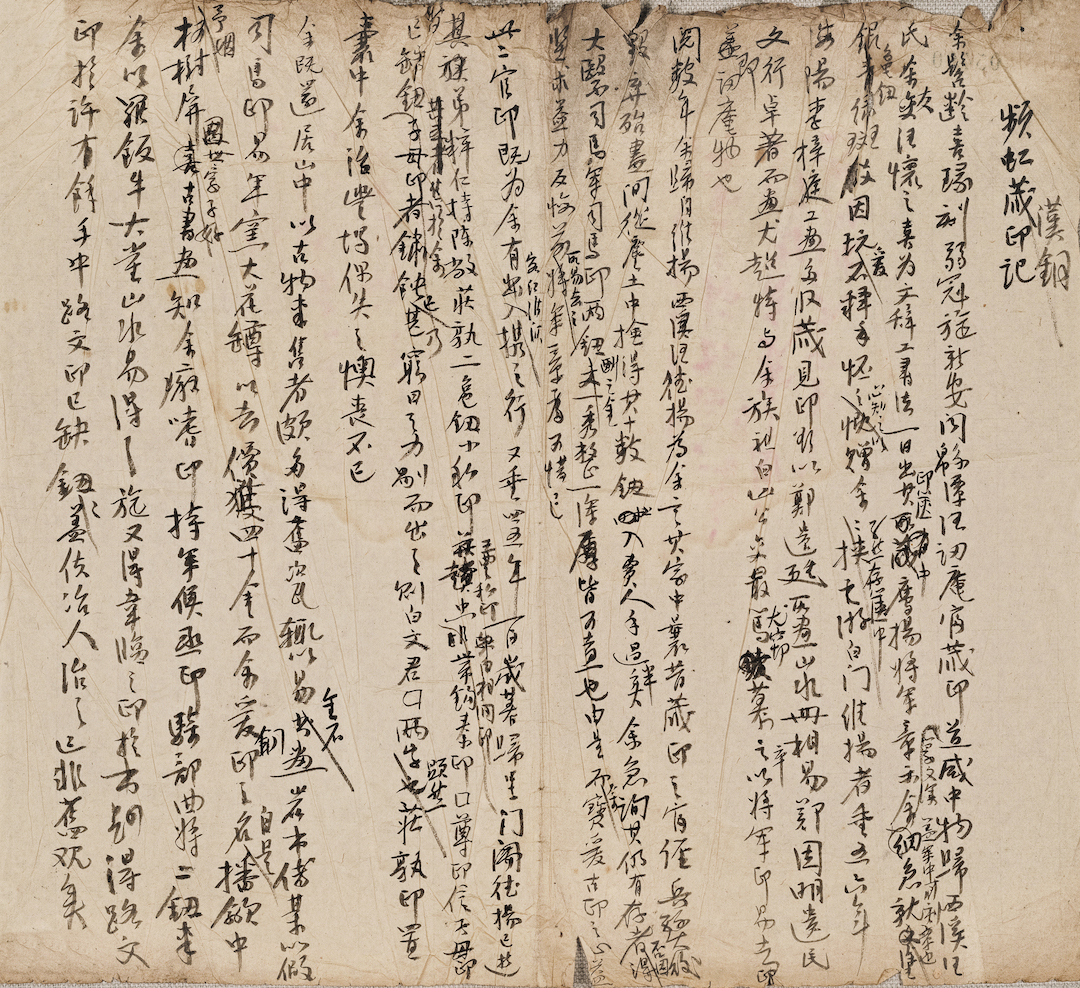
Manuscript of "Bronze Seal of Tibetan and Han Dynasties"
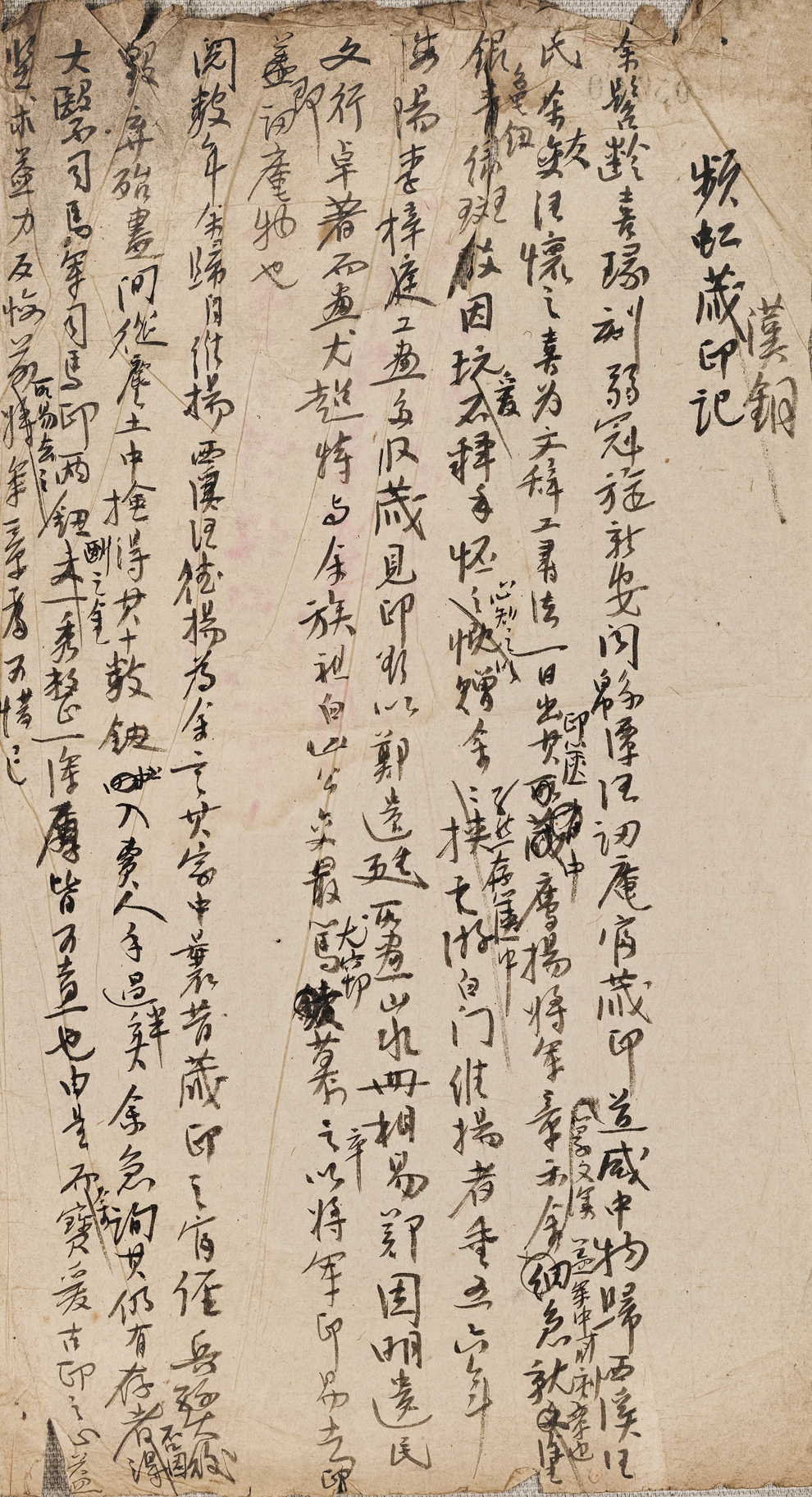
Manuscript of "Bronze Seal of Tibetan and Han Dynasties"
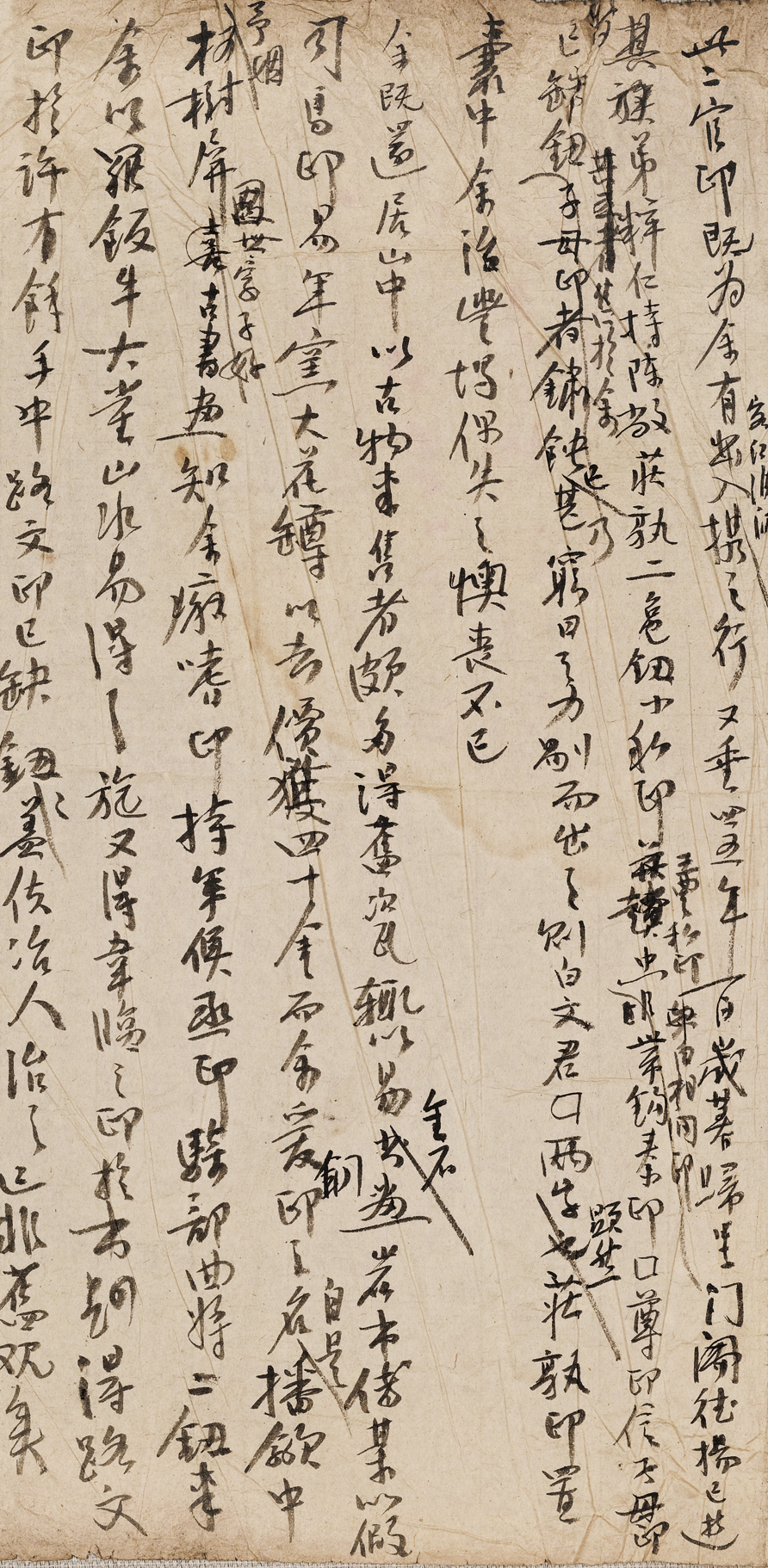
Manuscript of "Bronze Seal of Tibetan and Han Dynasties"
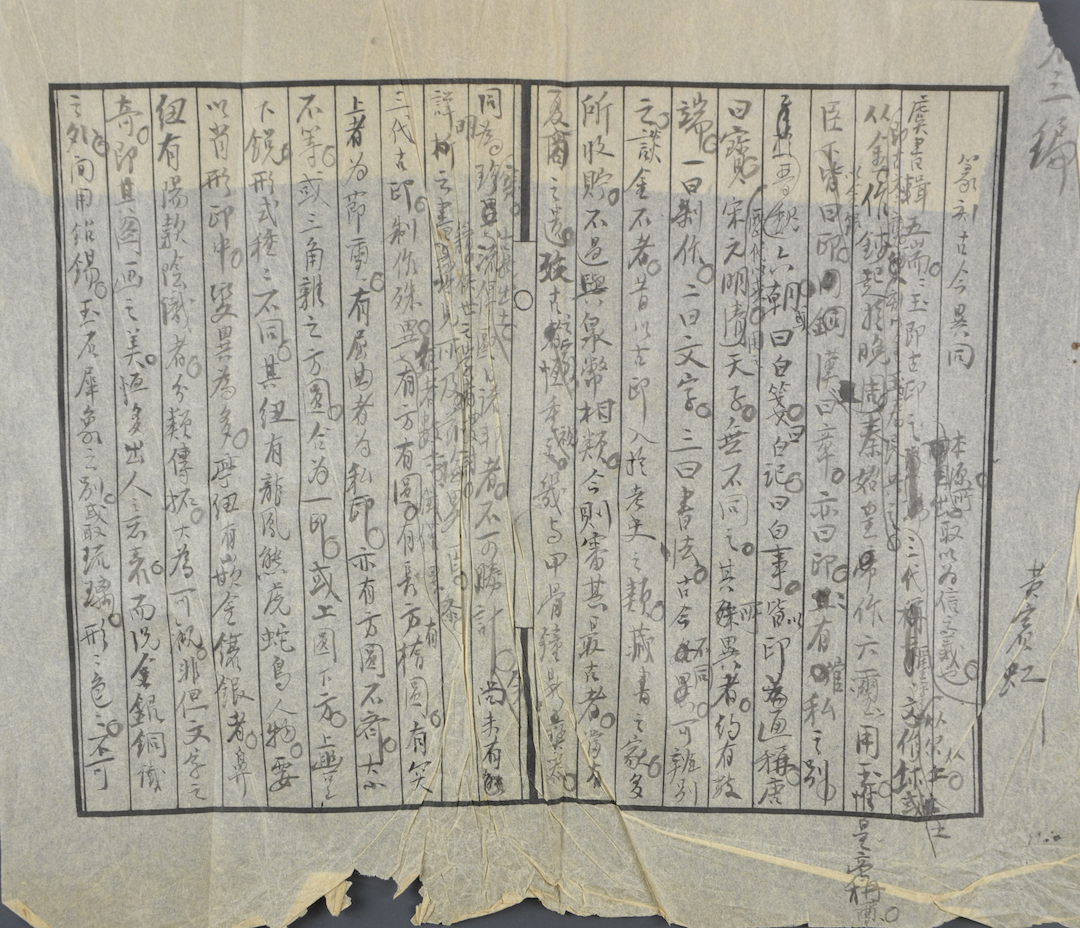
Manuscript of Huang Binhong's "Jinshi Calligraphy and Painting Series III Similarities and Differences in Seal Cutting Ancient and Modern", circa 1926
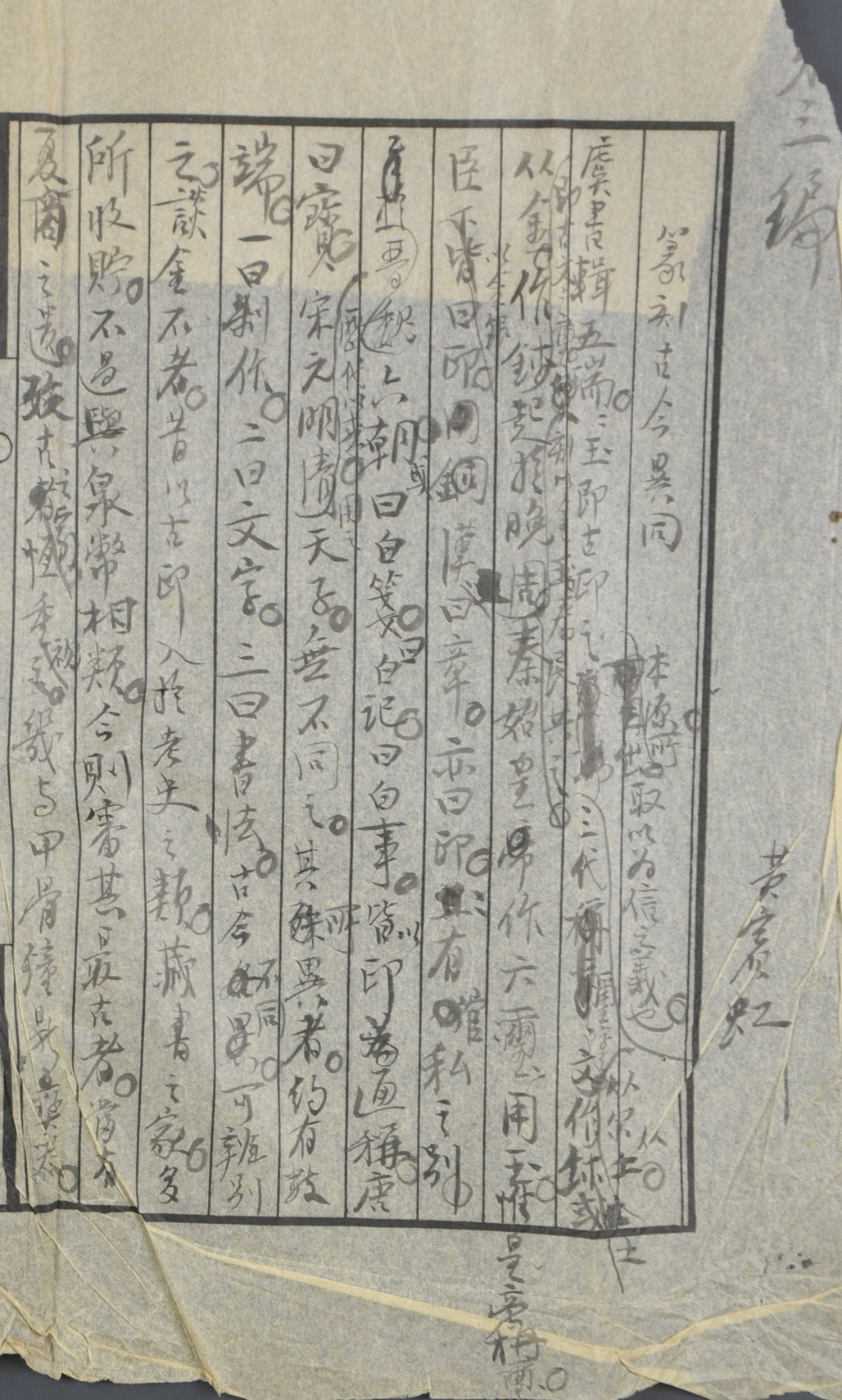
Manuscript of Huang Binhong's "Jinshi Calligraphy and Painting Series III Similarities and Differences in Seal Cutting Ancient and Modern", circa 1926 (detail)
literatureFrom the artistic point of view, the three generations of ancient seals can be directly explored for the seal method and knife method of seal carving creation, which is rich and powerful in ancient times; Zhengjing, know the inheritance of ancient Xun.
During the ten years of living in Peiping, Huang Binhong stayed out of the house for two hours every day. He corroborated the ancient seal seal with the inscriptions, bronze inscriptions, ancient pottery, and wooden slips. It was edited into a score and written as a book. Huang Binhong once said: "If I can get an ancient seal, I hope to get a new character. The more new characters, the more evidence."
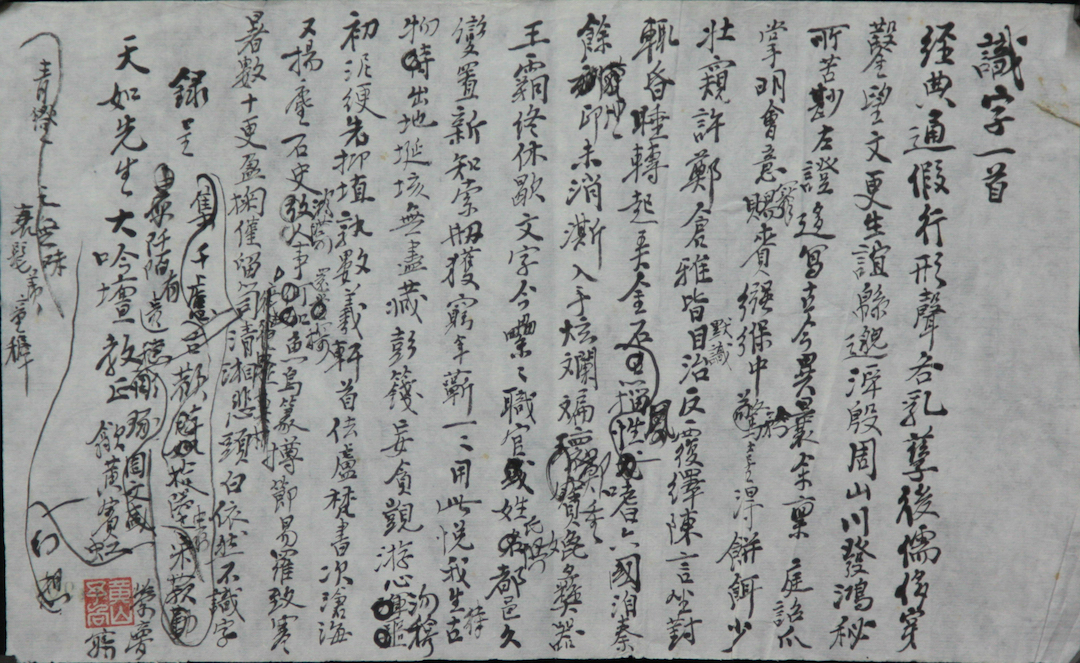
Manuscript of Huang Binhong's "One Song of Literacy"
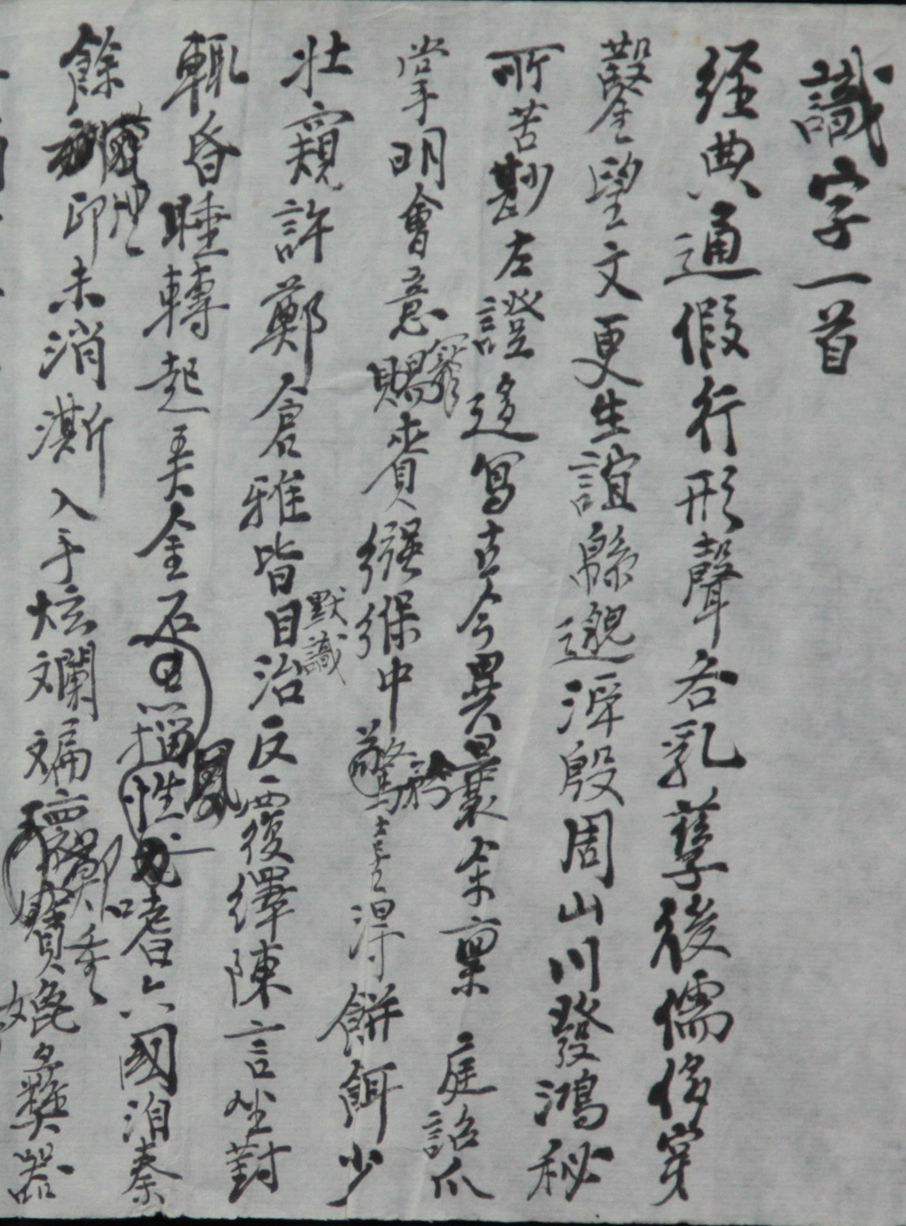
Manuscript of Huang Binhong's "One Piece of Literacy" (part)
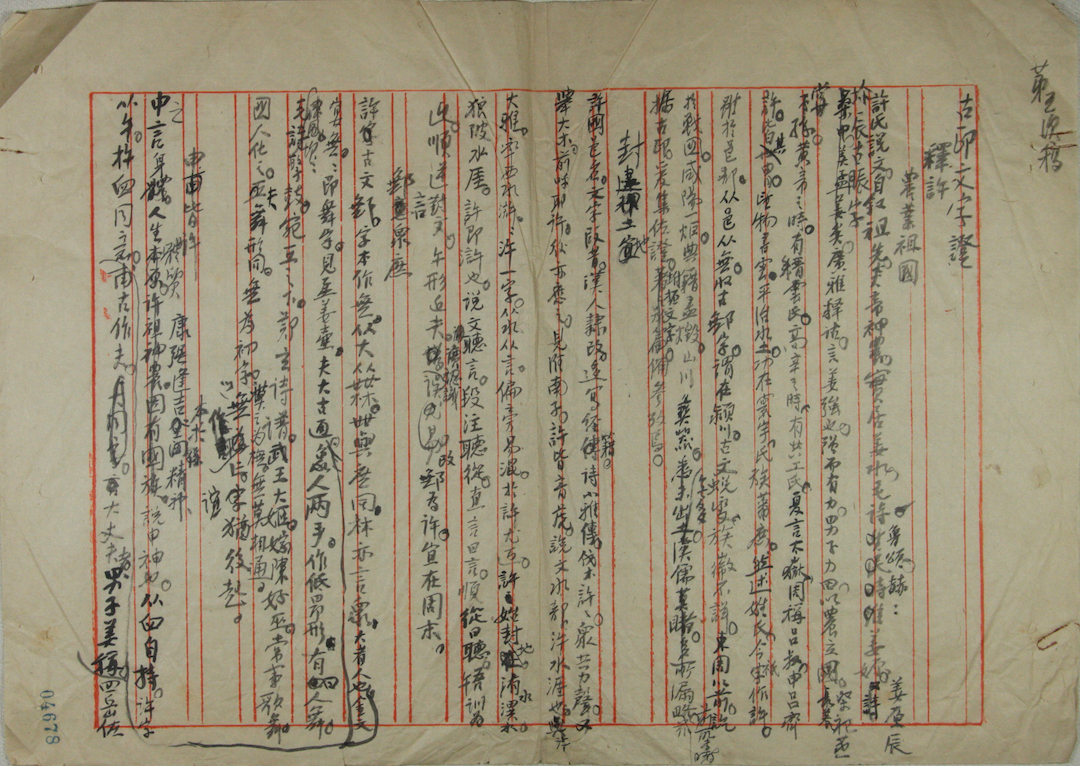
1946 Manuscript of Huang Binhong's "Ancient Sealed Character Certificate and Release"
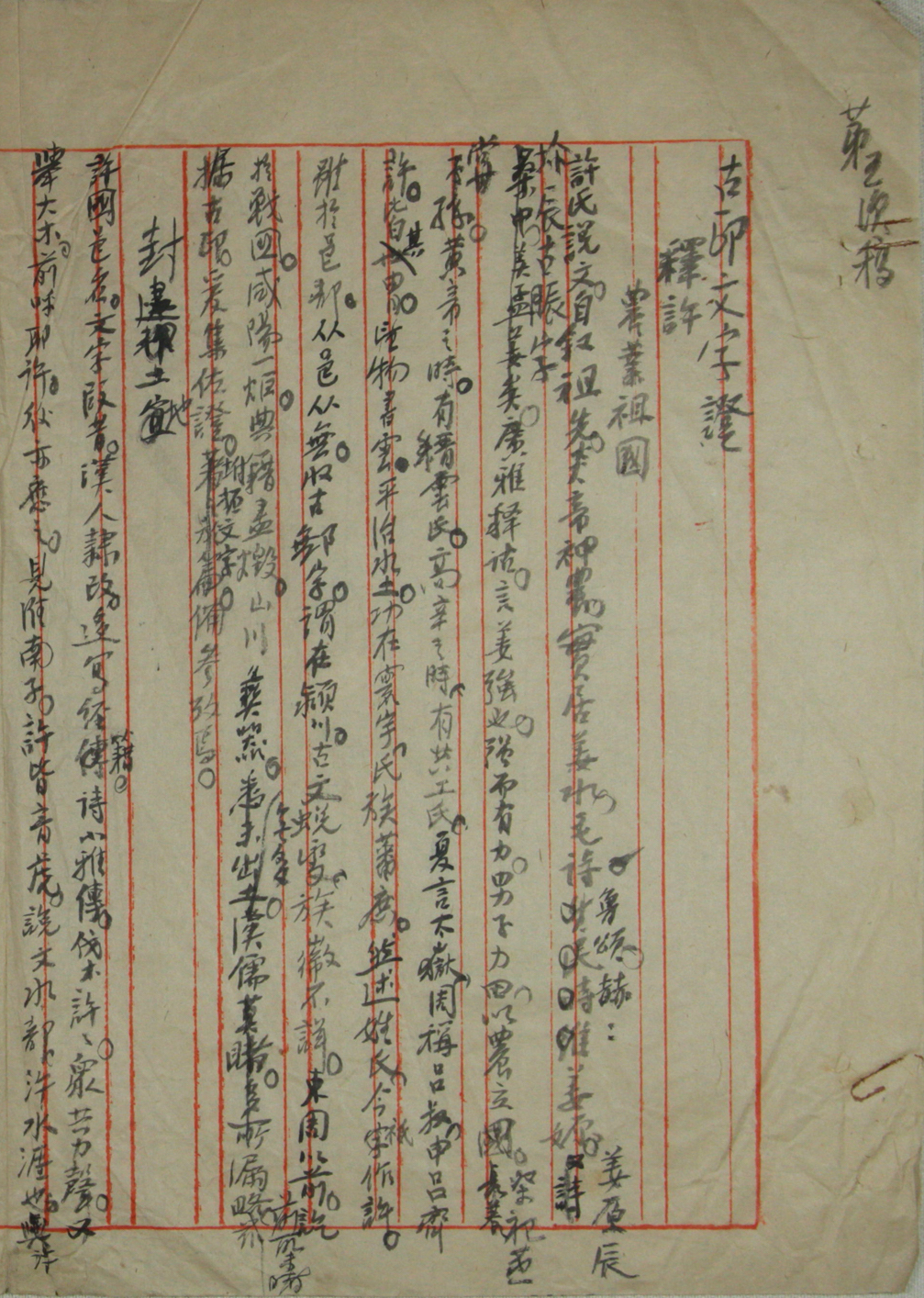
1946 Manuscript of Huang Binhong's "Ancient Seal Character Certificate and Release" (part)
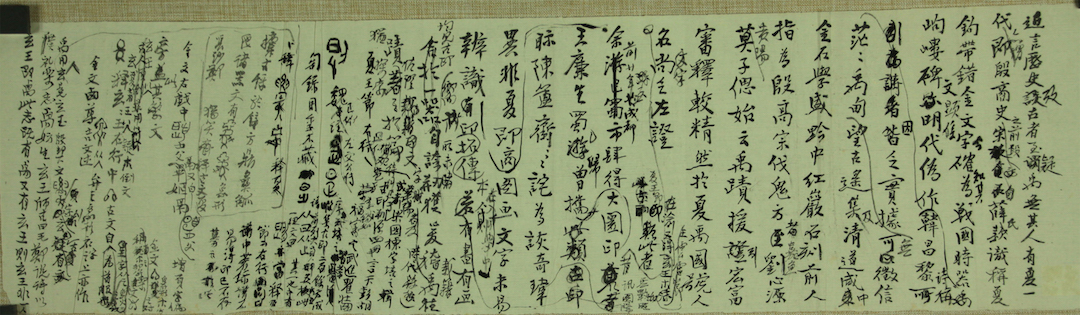
Manuscript of Huang Binhong's "Ancient Sealed Text Yuji Research"
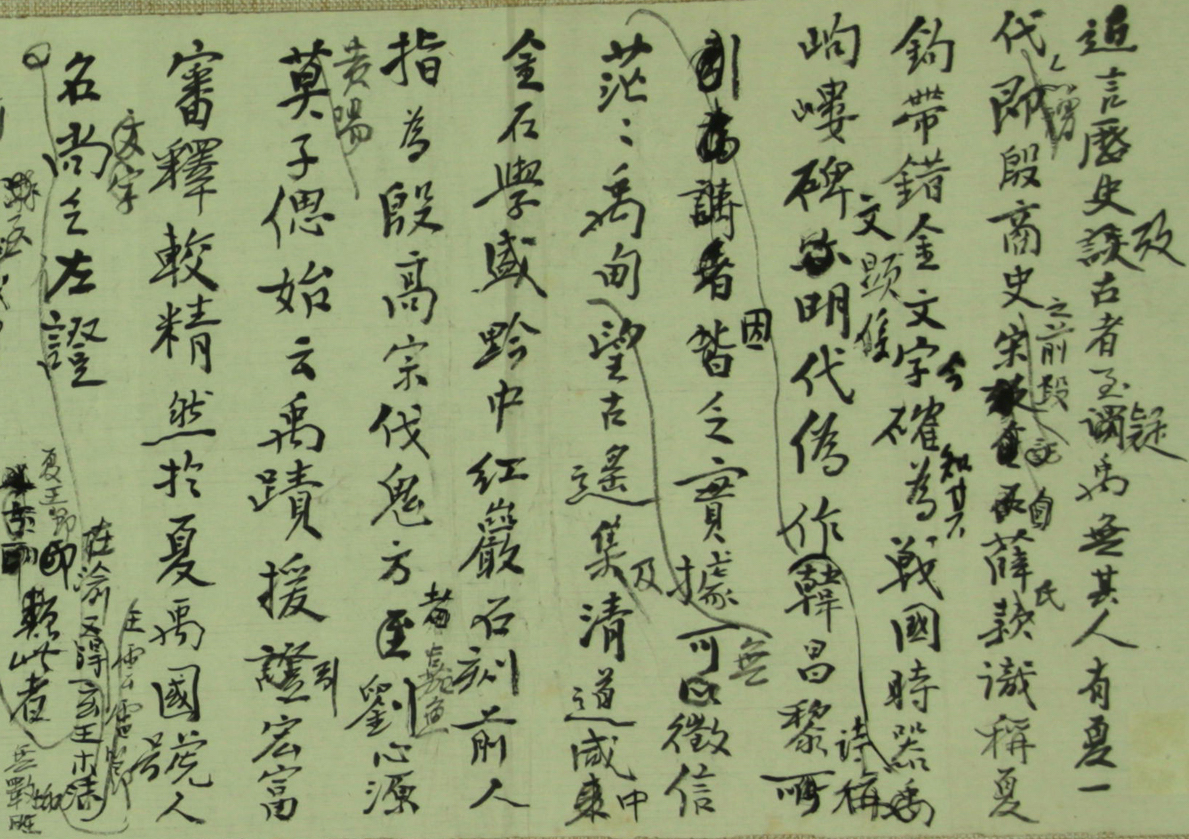
Manuscript of Huang Binhong's "Ancient Sealed Text Yuji Research"
Tongtong·Jinshi calligraphy and painting"Looking for literacy at the beginning, the ultimate in danqing, according to virtue and benevolence, eternal protection of the inscription." These sixteen characters summarize the meaning of collecting ancient seals to Huang Binhong.
Huang Binhong sorts out the relationship between words and pictures from five aspects: pictograms as texts, texts as proofs and seals, as proofs of scriptures, as seals to examine history, and pictures as books. From the generation and transformation of Chinese characters, I understand the structure and method of characters, and experience the robustness and richness of brush and ink in the inscriptions on gold and stone. The patterns and pictograms on jade and bronze ware can be understood as hooks, hooks, flowers and leaves; carved stones and jade can be understood as dots forming lines and cones drawing sand. If you examine the origin of calligraphy and painting, study the seal script, look at the inscriptions on bells and dings, and the characters on seals, and apply the principles of writing and painting, you can get grand, ancient and simple, with a combination of hardness and softness. The so-called one can be different, that is, it is not difficult to achieve the same goal by different paths.
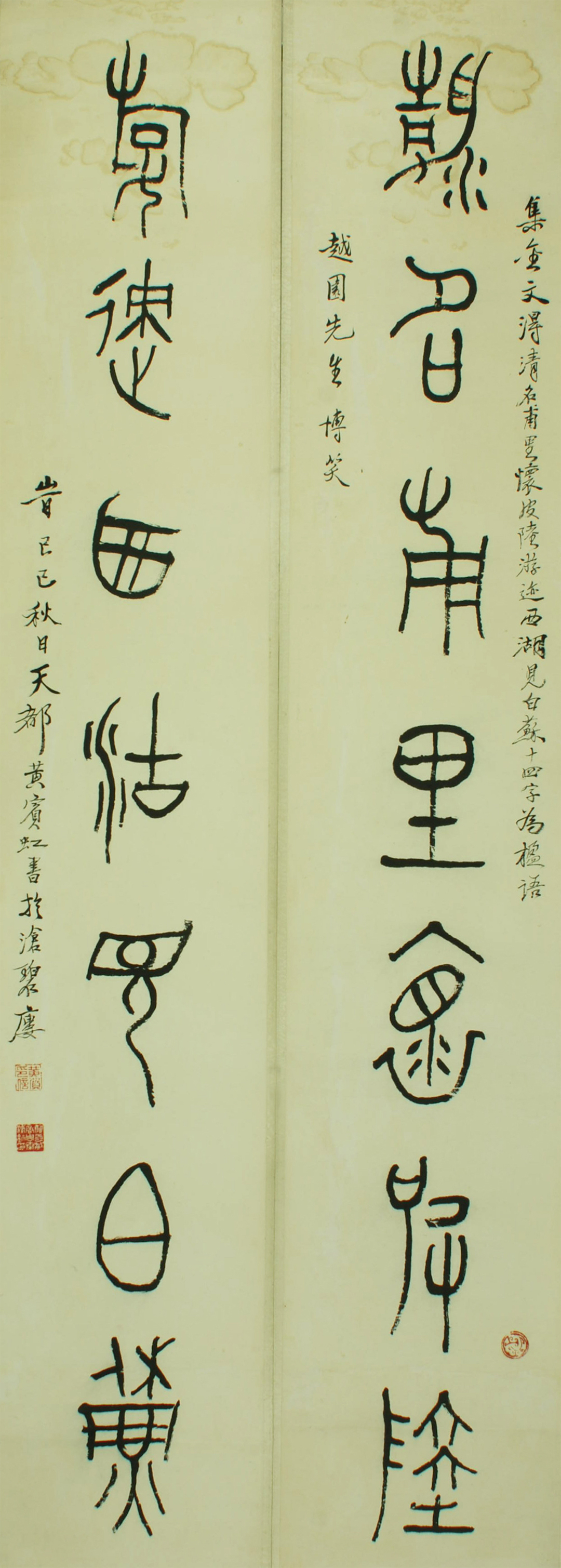
In 1929, Huang Binhong collected the seven-character couplet of the golden inscription "Traveling in the Qing Dynasty"
Inscription: "The fourteen characters of Jin Wende, "Qing name Fuli Waipilu, and visiting Baisu in the West Lake" are syllables. Mr. Yueyuan laughed. It was autumn, and Huang Binhong, the capital of heaven, wrote in Cangbilou. "Seals: Kui pattern image print, "yellow seal letter" Zhu Wen seal, "Binhong Tibetan Shang, Zhou, Qin and Han seals" white print.
Yu Shaosong old collection.
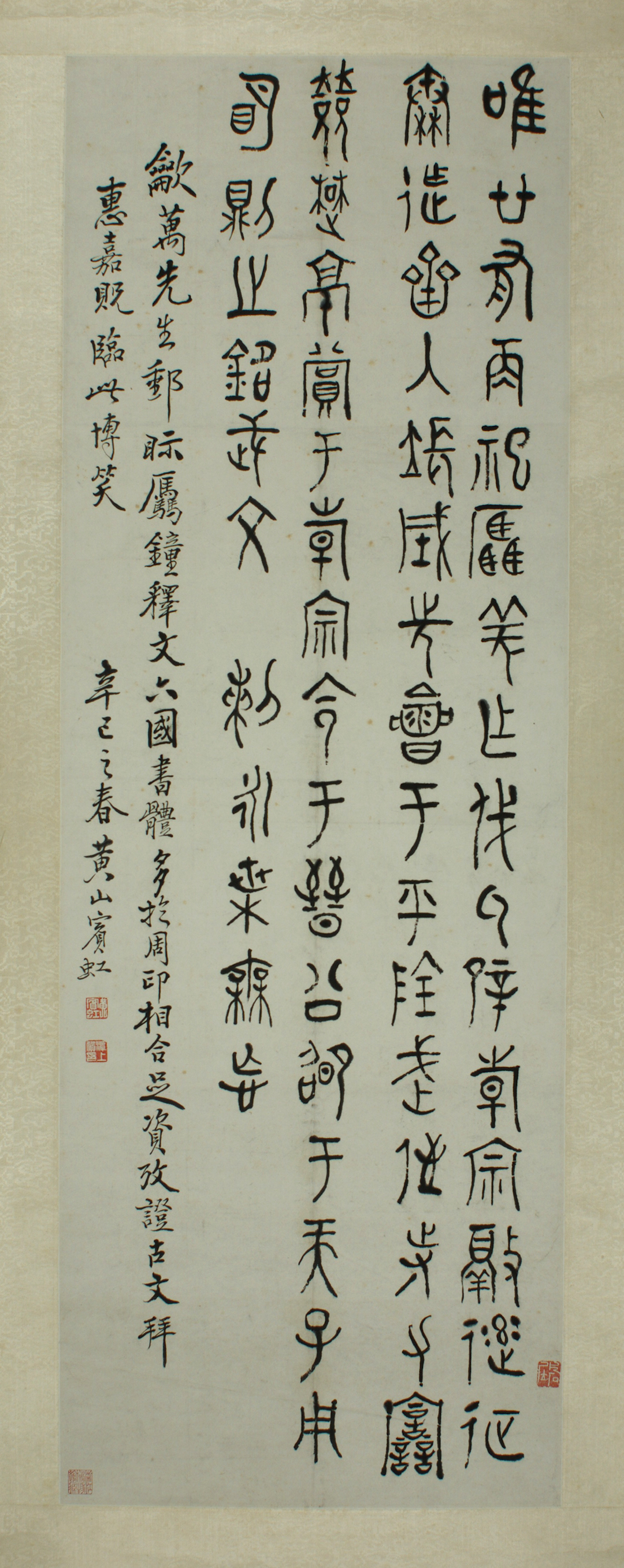
1941 Huang Binhong and Zhong Xun's Scroll
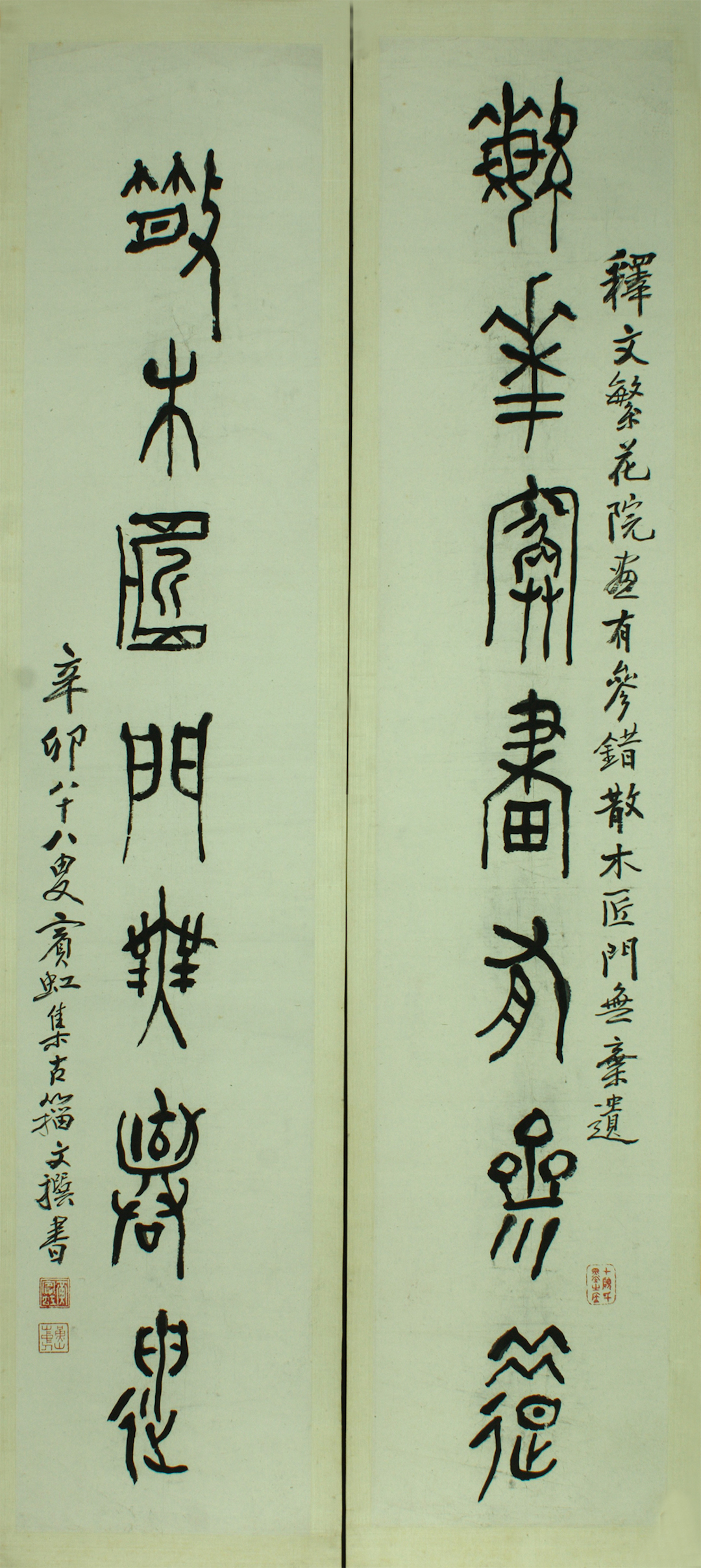
In 1951, Huang Binhong collected the seven-character couplet of "Blossoming Flowers and Scattering Trees" in ancient Xianwen
Inscription: "Explanation: There are mistakes in the paintings of Fanhuayuan, and there is no abandonment of the carpenter's door. Xinmao eighty-eight old people, Binhong, wrote a book in ancient Wenwen."Inscriptions: "The Residence of Ten Inkstones and Thousands of Ink" Zhu Wenyin, "Huang Binhong" Bai Wenyin, "Huangshan Mountain People" Zhu Wenyin.
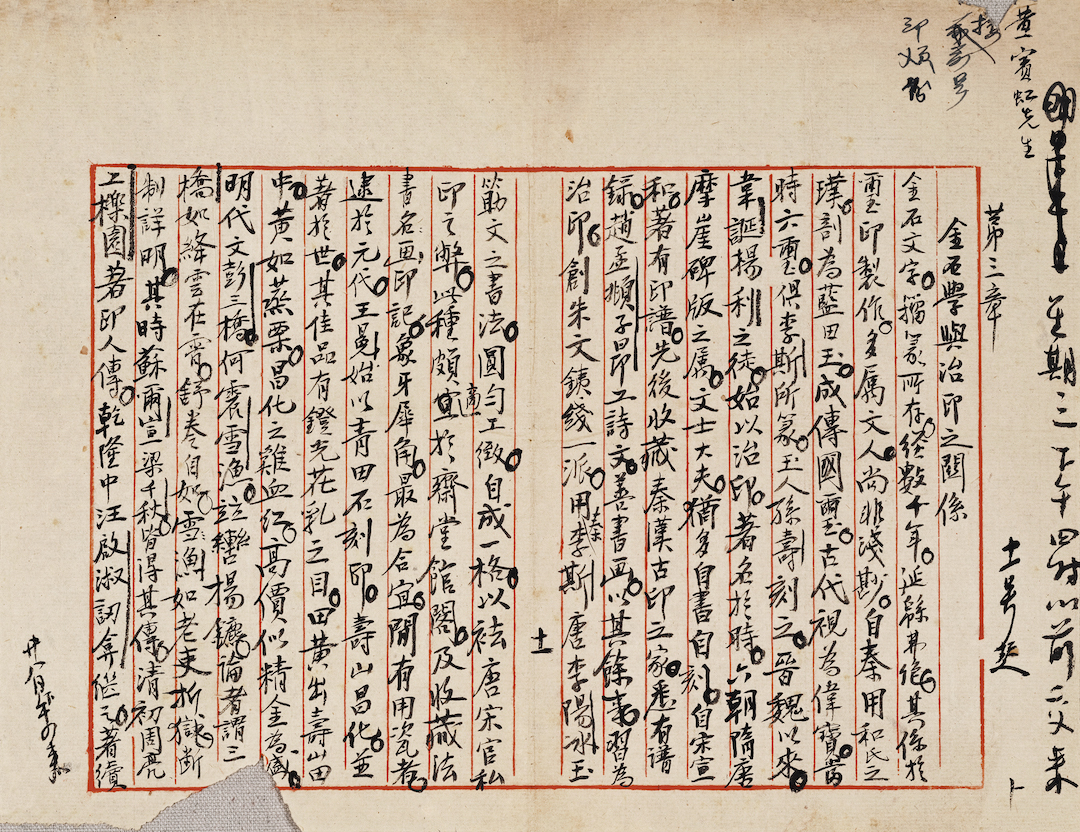
In 1928 Huang Binhong Guangxi Summer Lectures Association Epigraphy Lectures "Chapter 3 The Relationship between Epigraphy and Seal Management" Manuscript
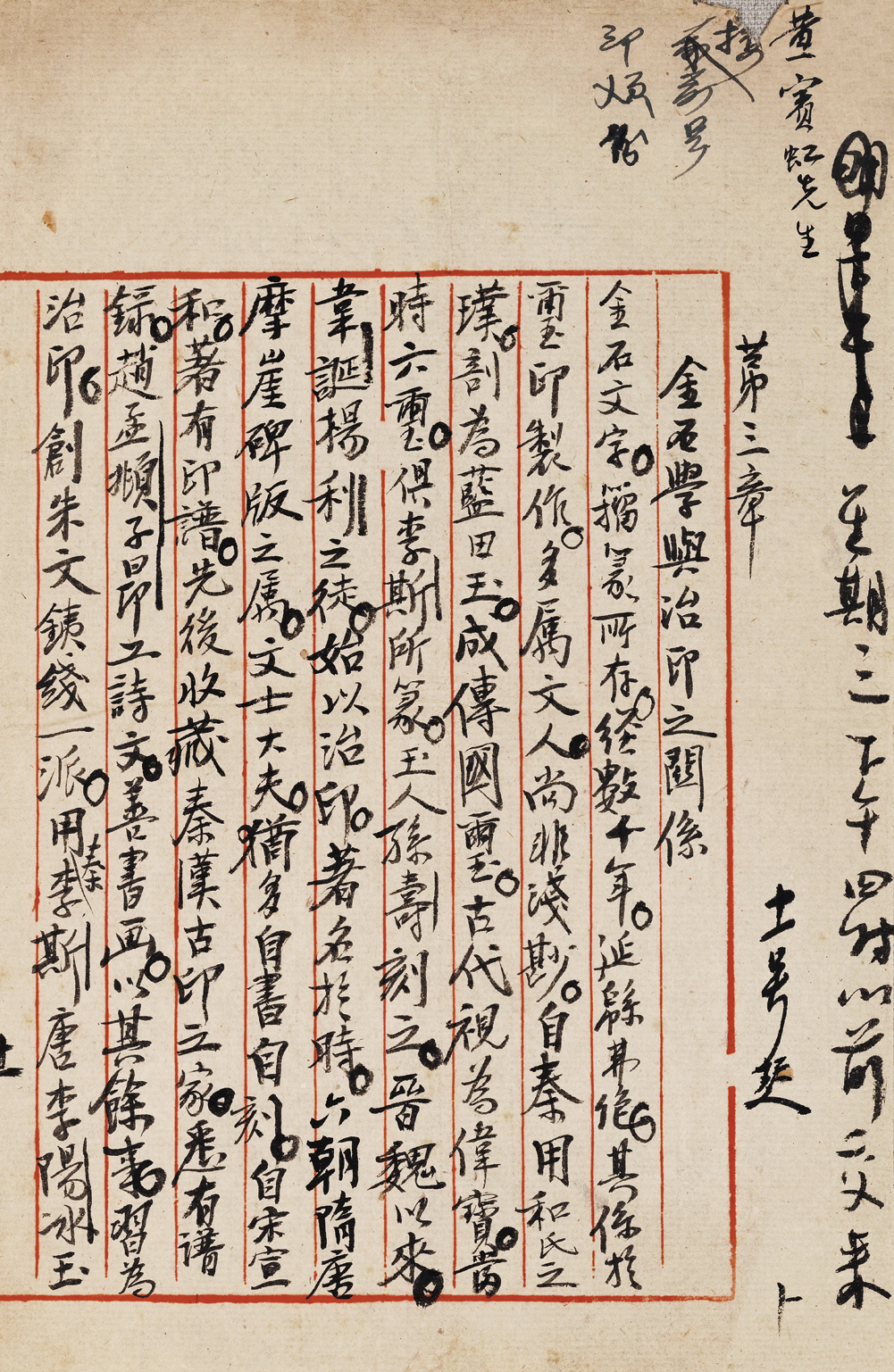
In 1928 Huang Binhong Guangxi Summer Lectures Association Epigraphy Lectures "Chapter 3 Relationship between Epigraphy and Seal Management" Manuscript (part)
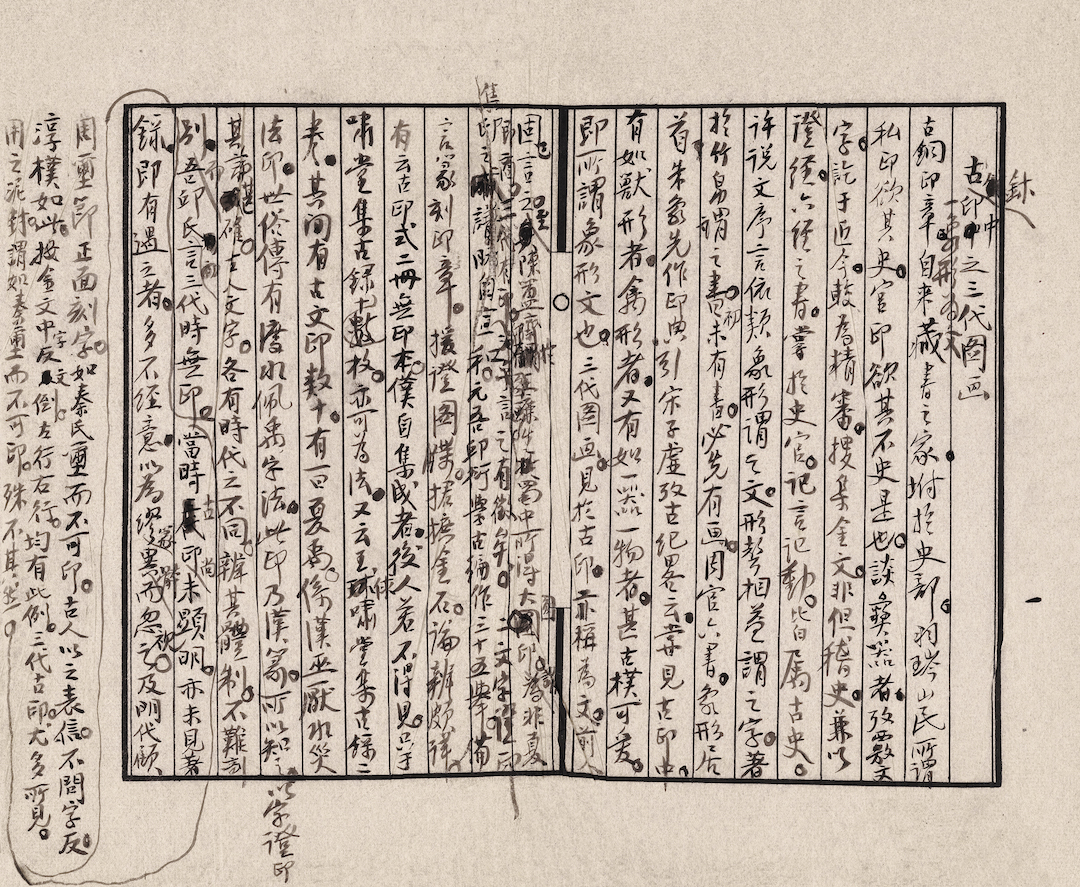
1939 Manuscript of Huang Binhong's "Three Generations of Pictures in Ancient Seals"
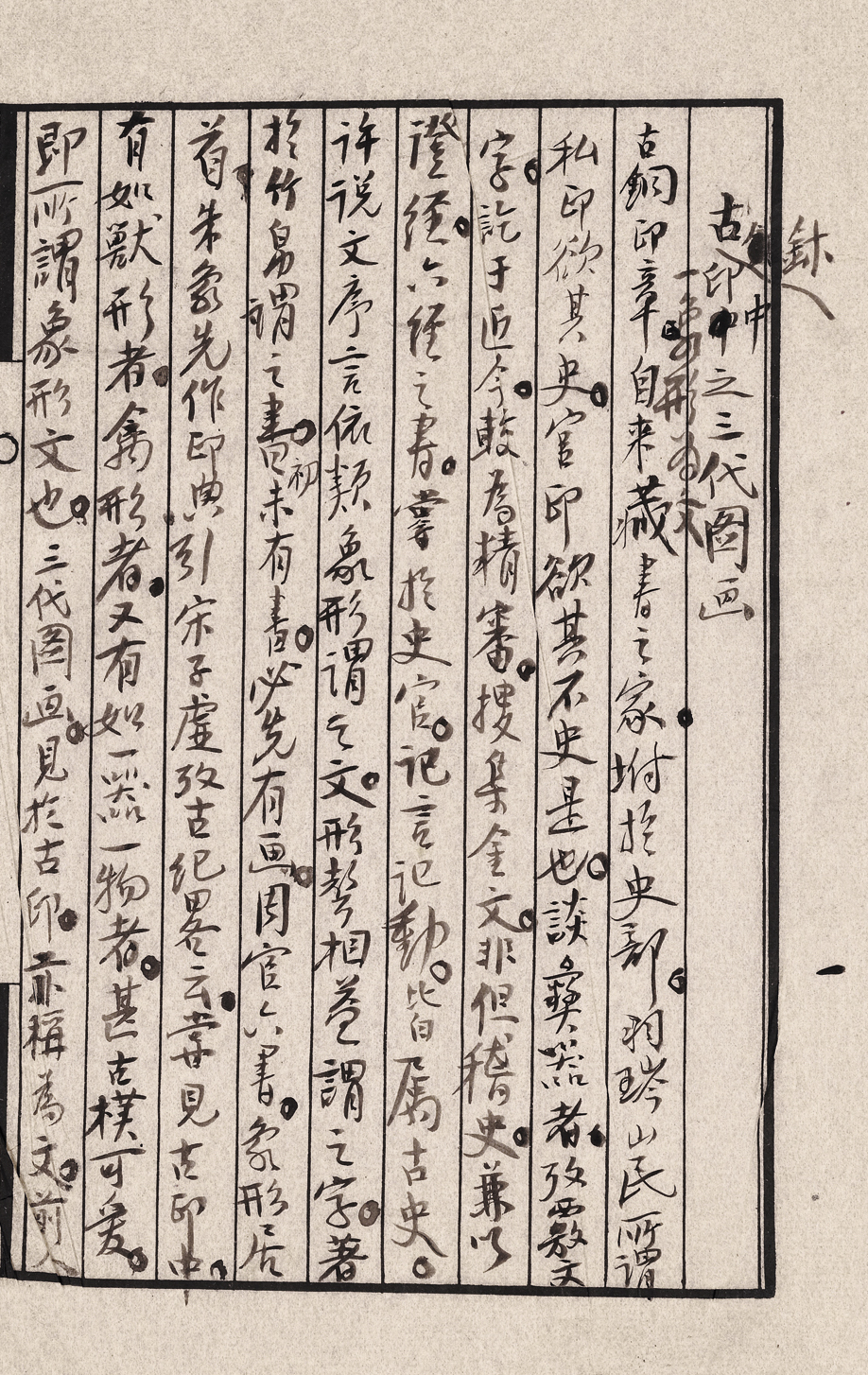
1939 Manuscript of Huang Binhong's "Three Generations of Pictures in Ancient Seals" (part)
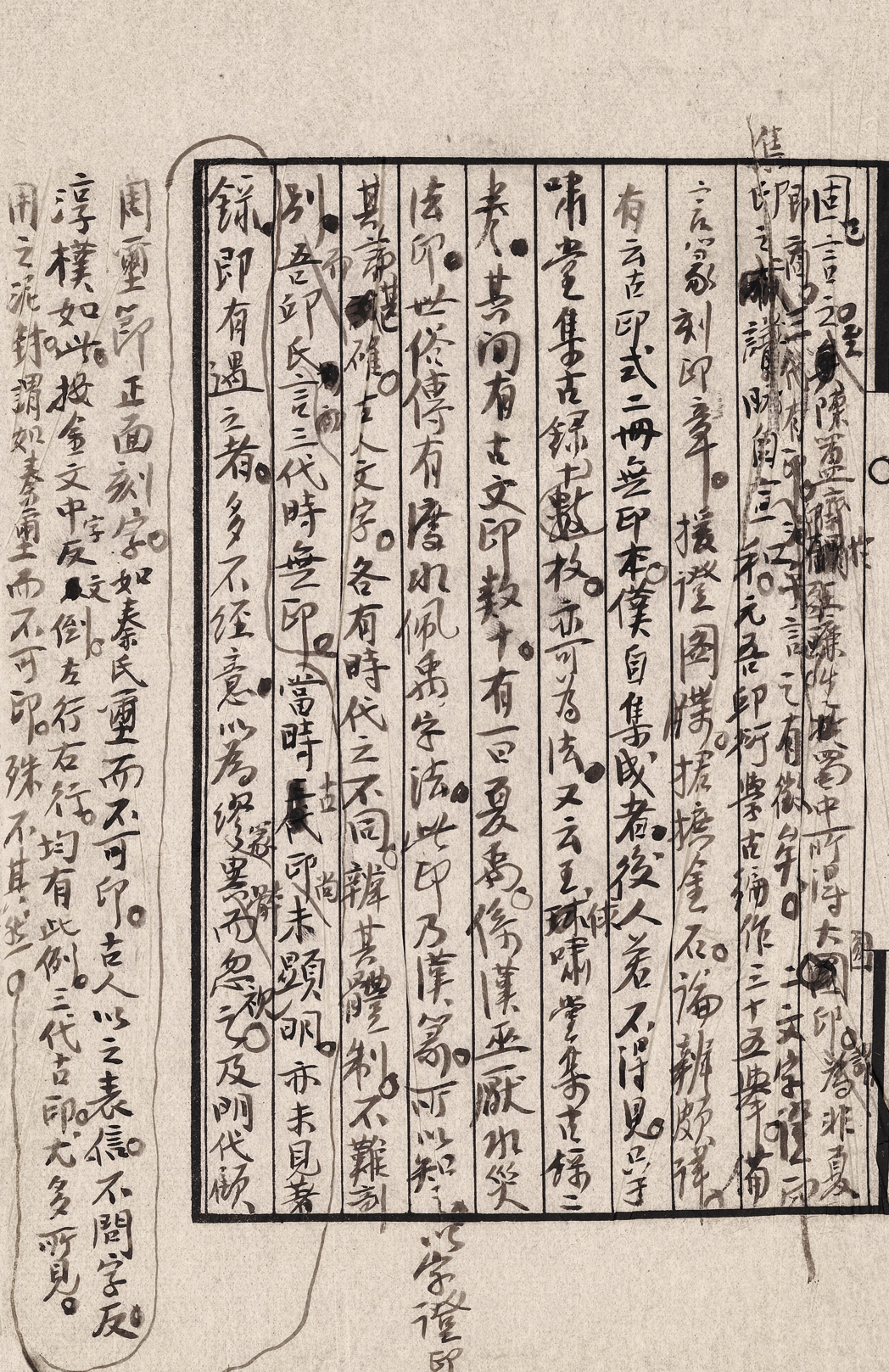
1939 Manuscript of Huang Binhong's "Three Generations of Pictures in Ancient Seals" (part)
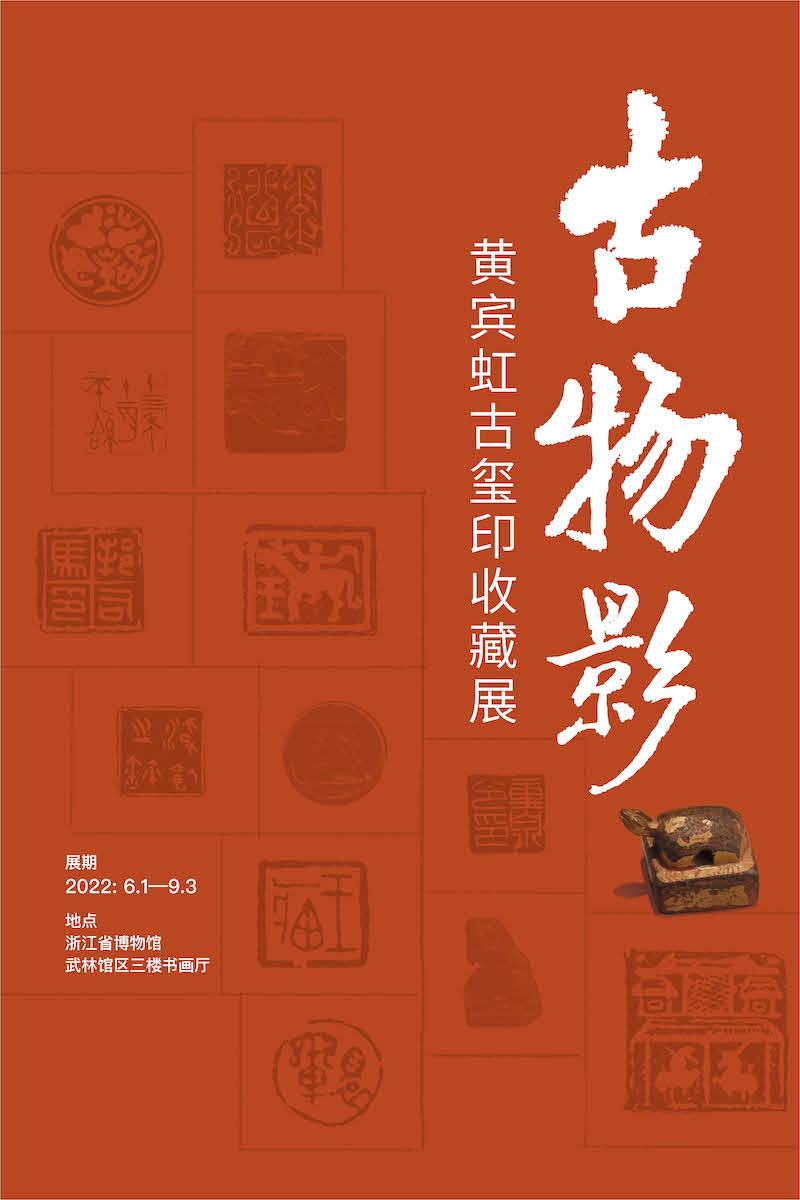
Exhibition poster
Exhibition name: "Shadows of Antiquities - Huang Binhong's Collection of Ancient Seals"Exhibition time: June 1st - September 3rd
Exhibition location: Zhejiang Provincial Museum Wulin Pavilion
Filed under

Reproduce the "beautiful landscape" of ancient Rome, and the archaeological collection of Naples is exhibited in Shanghai
Naples sends Roman sculpture, mosaic, and glass to Shanghai Pudong—about seventy works, two thousand years old.

Zhao Zhiqian in 300 seals and calligraphy works
Three hundred seals and brushworks—how a Qing master is represented through mark and line.

The Collection and Donation of Deng Tuo's Ancient Paintings from Su Shi's "Bamboo and Stone in Xiaoxiang"
"Mai Toast in the Qing Festival, the ancient style is passed down in a gentle manner". Fifty-eight years ago, Deng Tuo donated more than 140 pieces (s...